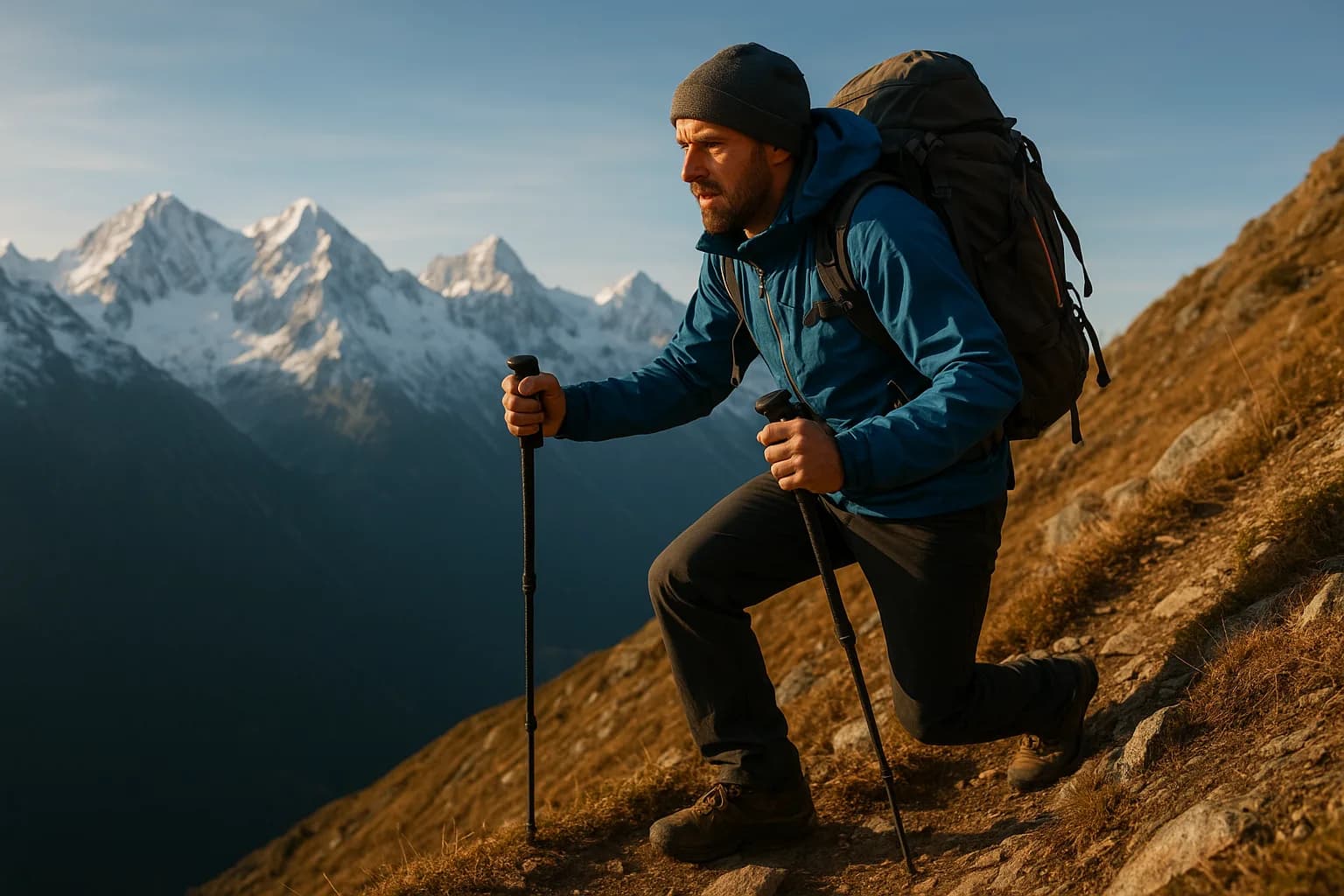
Physical and Technical Preparation for the Mont Blanc Ascent
Written by Victor Michel — history enthusiast and passionate alpinist based in Chamonix. Published May 7, 2026 · Updated August 31, 2026 · 4 min read
Summary
Preparing for the Mont Blanc ascent takes 4 to 6 months of progressive training: long endurance, regular elevation gain, carrying a loaded pack and mastering glaciated terrain (crampons, ice axe). A training climb at 3,500-4,000 m is essential before the ascent. The 2,300 m descent is often underestimated: include a specific training plan for it.
Succeeding on Mont Blanc requires progressive preparation. Endurance alone is not enough. You need to be able to walk for long hours at altitude, carry a pack, move roped up, use crampons and an ice axe, and manage cold, lack of oxygen and mental fatigue.
Timeline
6 months before
- Regular hiking
- Base endurance
- Leg / core / back strengthening
- Progressive elevation gain training
3 months before
- Long outings
- Carrying a loaded pack
- High-altitude hikes
- Crampon / ice axe introduction if needed
1 month before
- Training climb
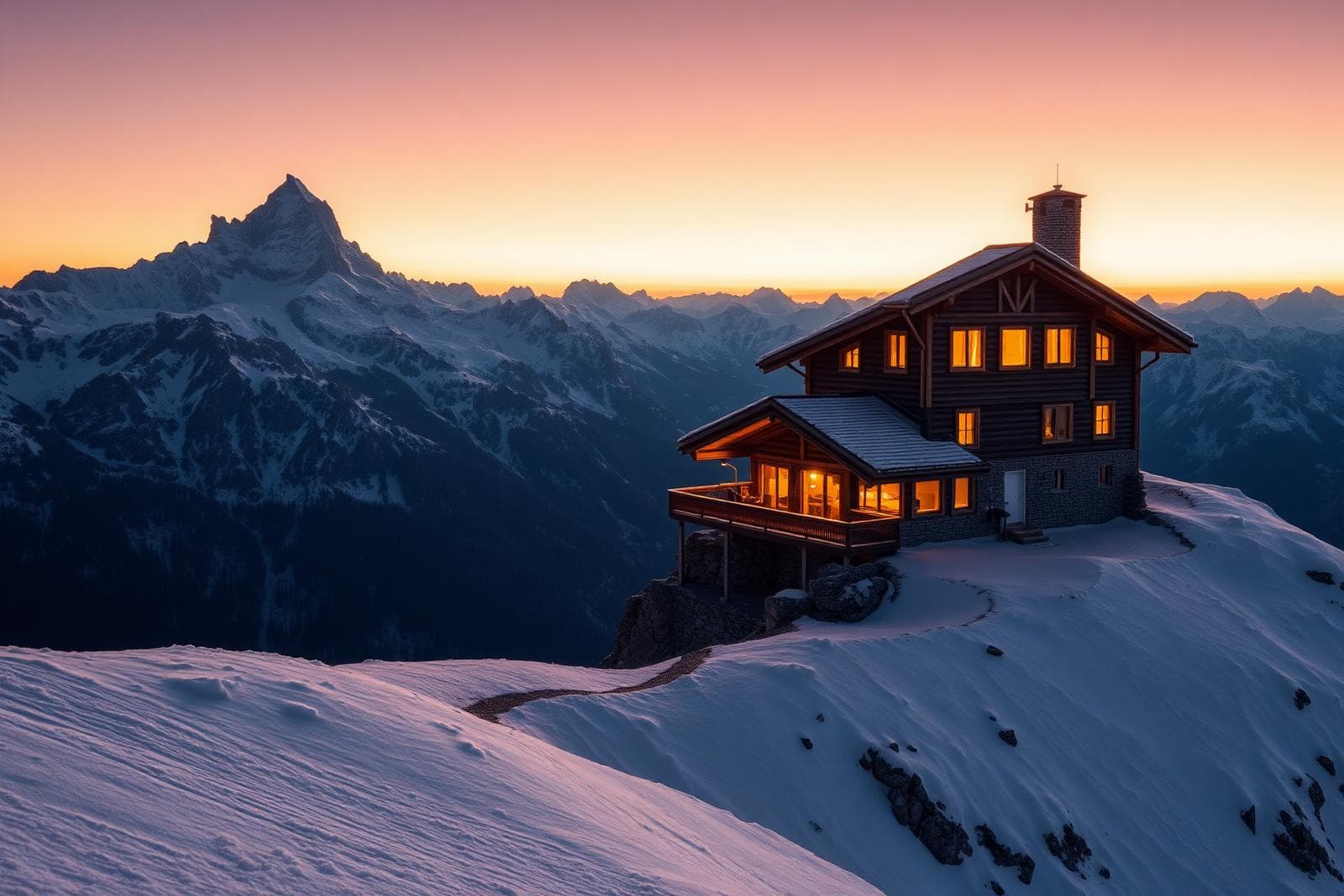
- Night at altitude if possible
- Gear testing
- Boots and pack check
Week of the ascent
- Rest
- Hydration
- Weather
- Hut / guide confirmation
- Gear preparation
Physical preparation
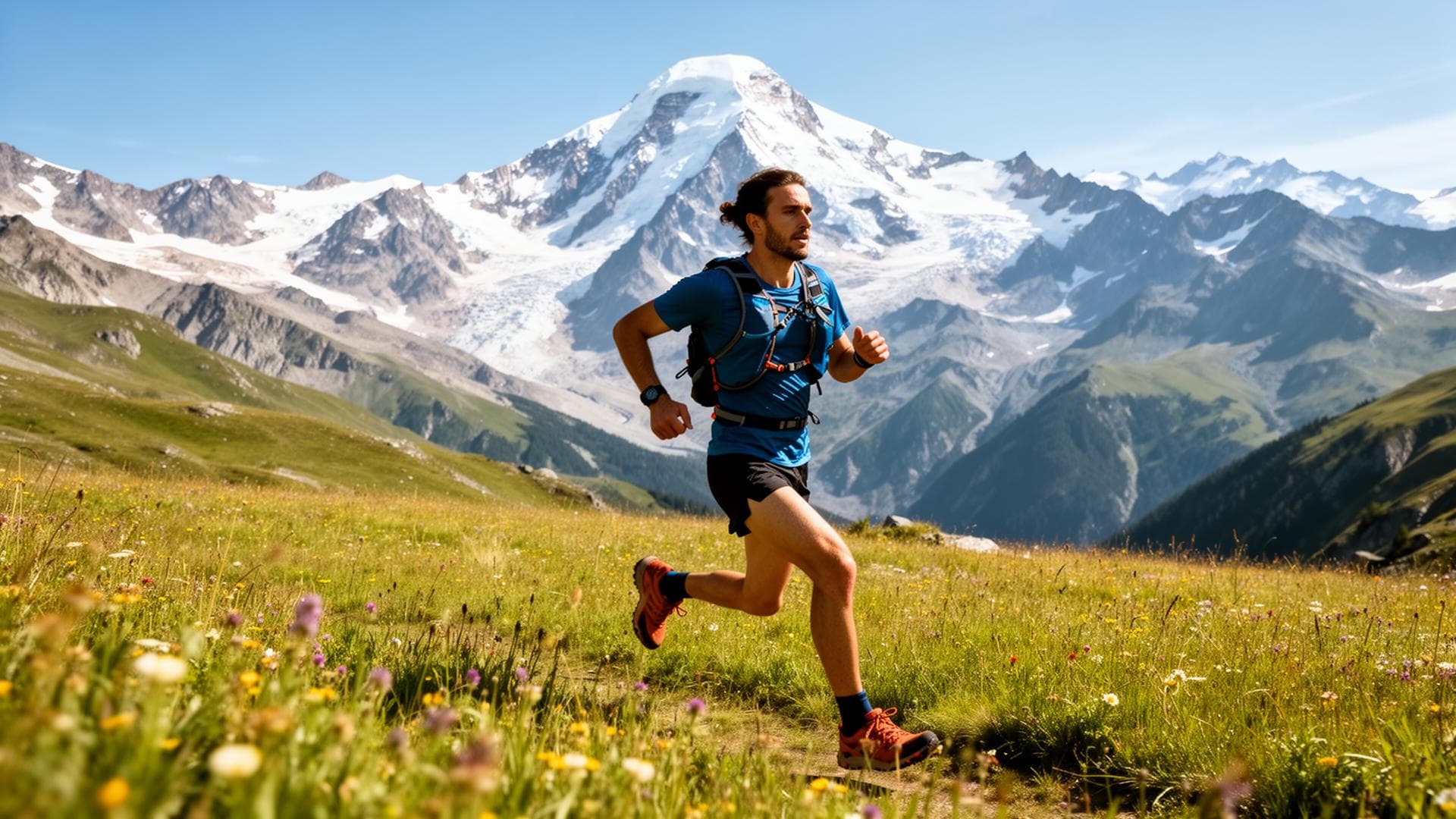
Long endurance, positive and negative elevation gain, capacity to carry a pack, general strength training and regular cardio.
Technical preparation
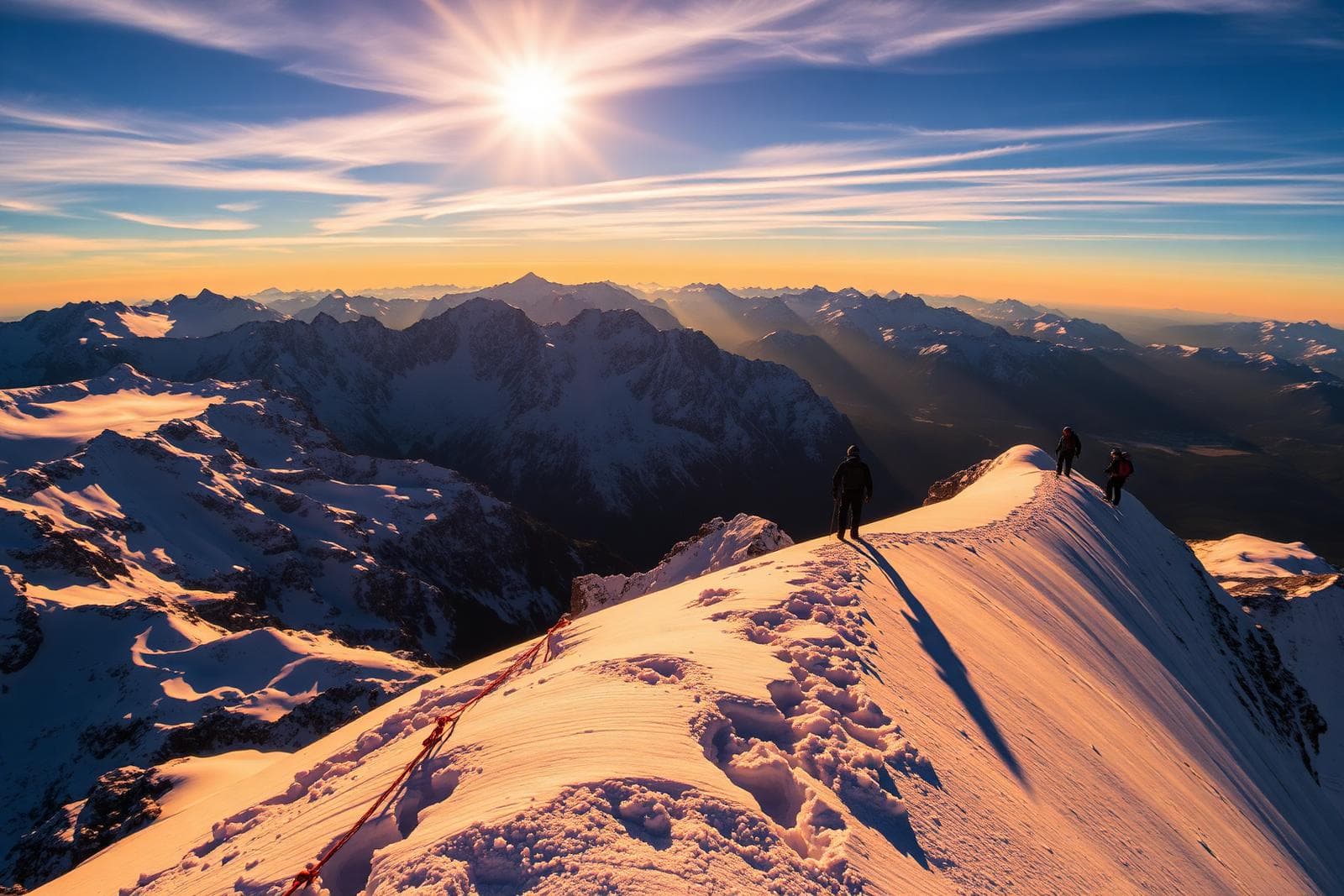
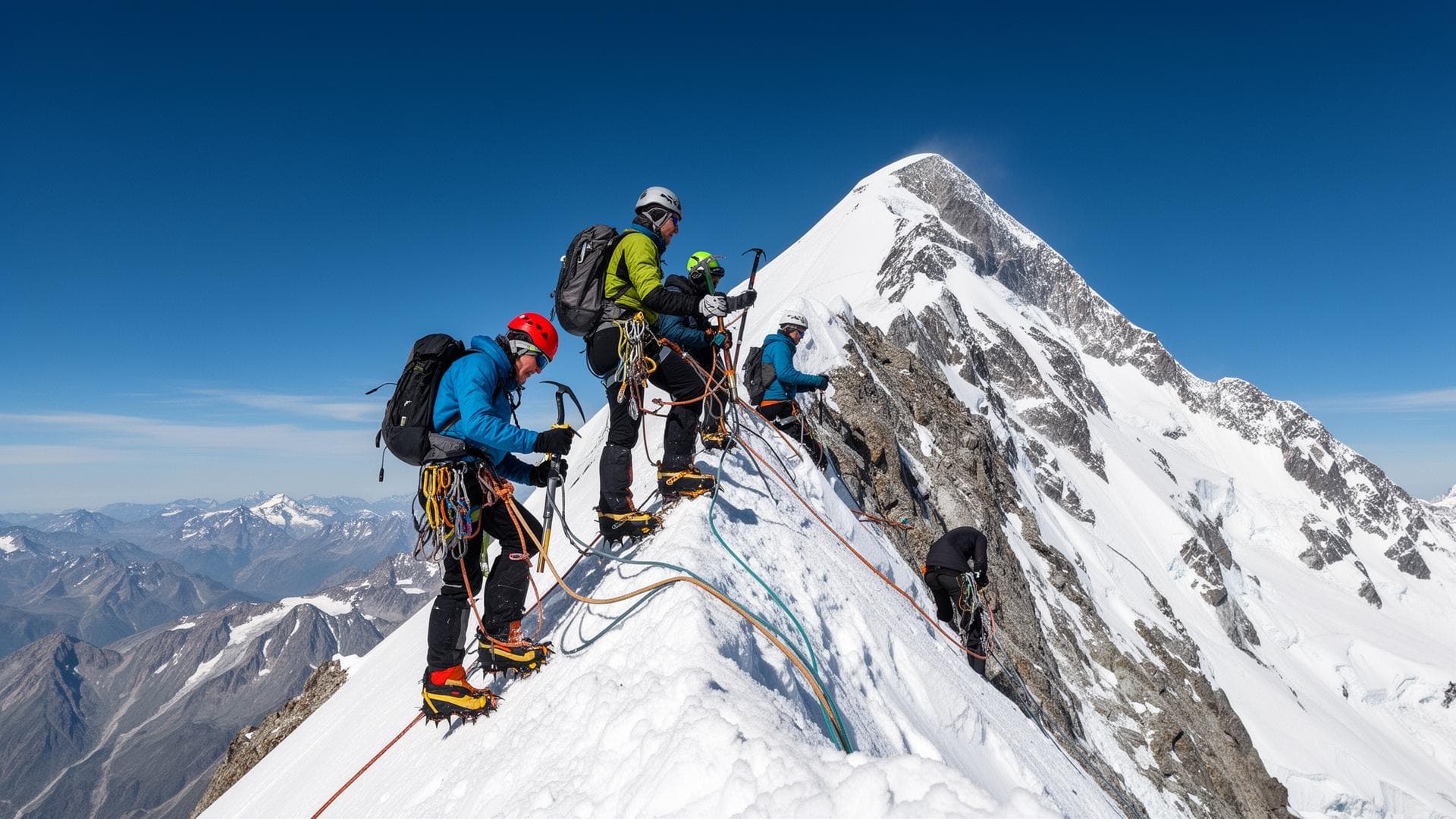
Mastery of cramponing, ice axe use, roping up on glaciers and basic safety maneuvers.
Acclimatization
Progressive nights at altitude, training climbs between 3,500 and 4,000 m, individual management of acute mountain sickness symptoms.
Training climbs
Summits from 3,500 to 4,200 m in the Alps (for example: Grand Paradiso, Dômes de Miage) to validate altitude tolerance and gear.
Common mistakes
Underestimating the descent, neglecting acclimatization, setting off with untested gear, ignoring the weather, refusing to turn back.
Personal checklist
Physical fitness, health, tested gear, confirmed conditions, weather, validated hut and guide, backup plan ready.
FAQ
How long does it take to prepare for Mont Blanc?
Serious preparation generally spans 4 to 6 months for someone already in sporting shape.
Should you do a training climb?
Yes. A summit at 3,500 or 4,000 m lets you test altitude, gear and the roped party.
What physical level is required for the Mont Blanc ascent?
Being able to hike 8 to 10 hours a day for 2 consecutive days with an 8 to 12 kg pack and 1,200 m of elevation gain per day. The signs of acute mountain sickness must be known.
Which training climbs before Mont Blanc?
Grand Paradiso (4,061 m, Italy), Breithorn (4,164 m, Switzerland) or Dômes de Miage (3,673 m). These ascents validate altitude tolerance, cramponing and managing a roped party.
How do you manage acclimatization before Mont Blanc?
Spend at least 2 nights between 2,500 and 3,500 m in the weeks before the ascent. The Grand Paradiso or a night at the Goûter hut (3,835 m) one week before form an effective protocol recognized by the ENSA.
Go deeper on preparation