Altitude and acute mountain sickness on Mont Blanc
Written by Victor Michel — history enthusiast and passionate alpinist based in Chamonix. Published May 10, 2026 · Updated September 17, 2026 · 6 min read
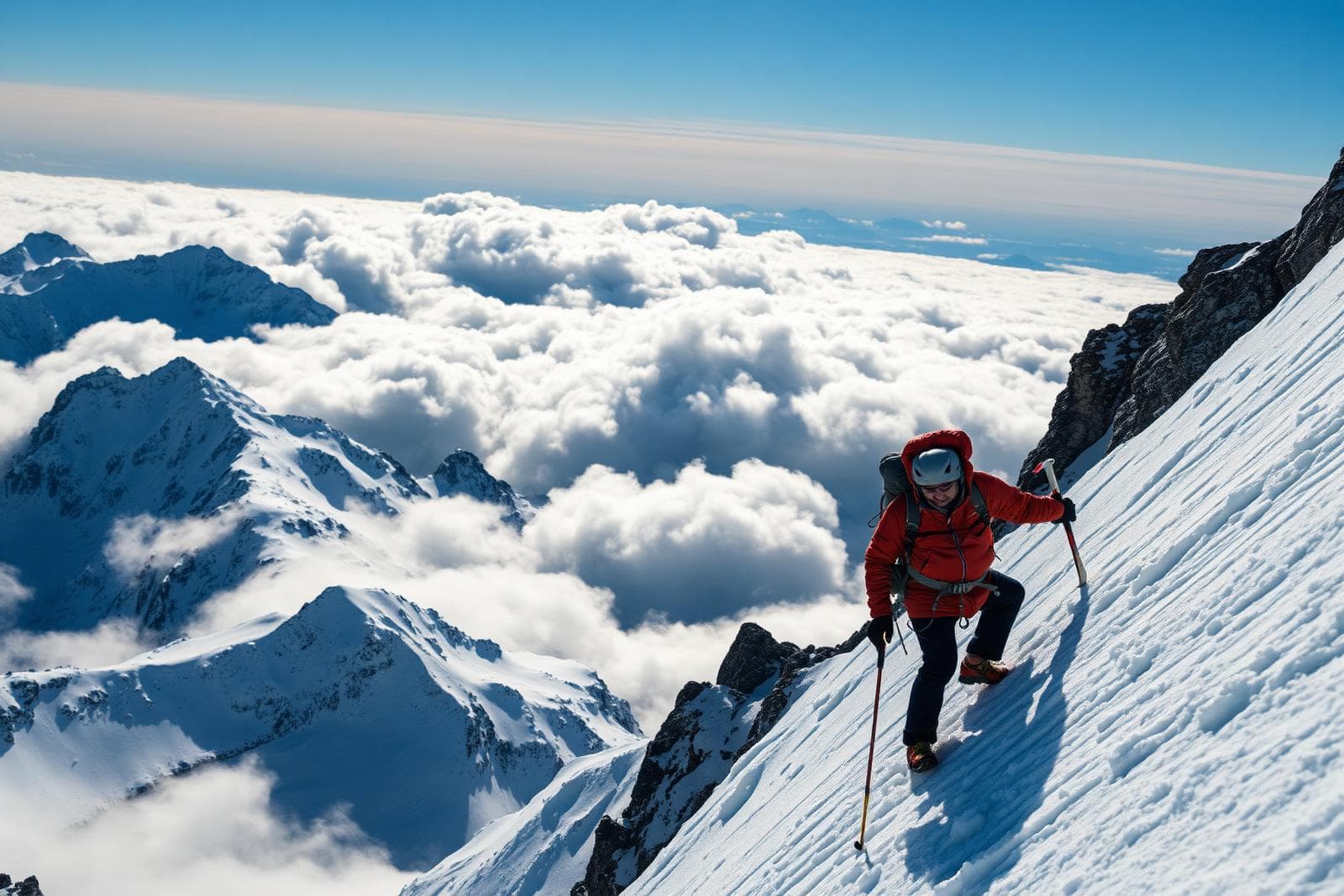
The summit of Mont Blanc rises above 4,800 m. At this altitude, the body has less oxygen available than at valley level. Even a fit person can be slowed down, out of breath, or affected by acute mountain sickness if acclimatization is insufficient.
Hypoxia
Partial oxygen pressure decreases with altitude. At the summit, the body has around half the oxygen available at sea level.
Acclimatization
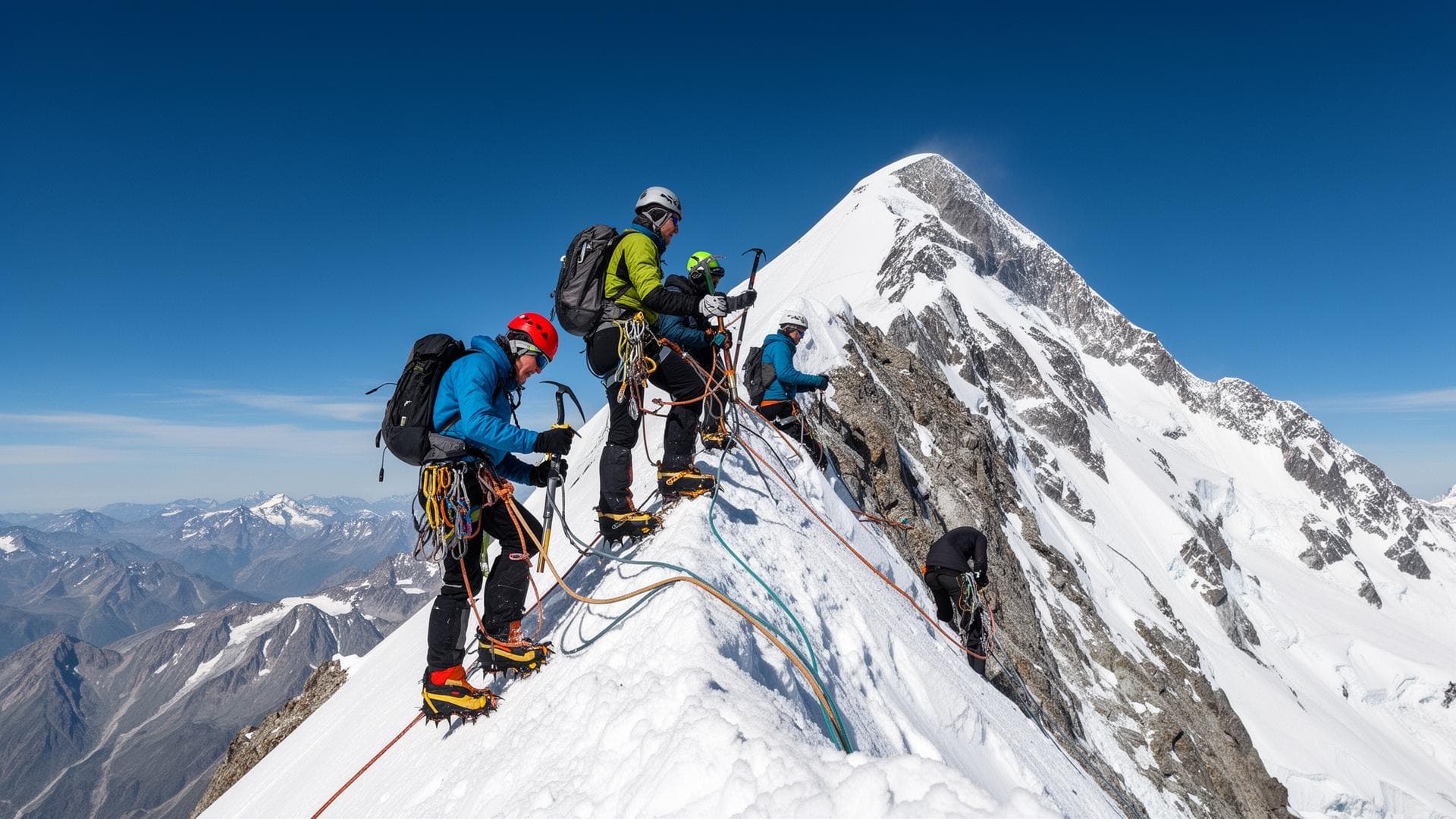
Acclimatization is built through progressive exposure to altitude: nights in refuges, outings at 3,500–4,000 m, staged ascents.
Headaches
Possible first sign of acute mountain sickness. Never dismiss it, especially if it worsens.
Nausea
A signal of poor tolerance to altitude. Should lead to slowing down, or even stopping the ascent.
Abnormal fatigue
Fatigue disproportionate to effort can indicate poorly compensated hypoxia.
Shortness of breath
Marked breathlessness at rest is a concerning signal.
Sleep disturbances
Apnea, waking up, broken nights are common at altitude and weaken the body.
Loss of appetite
Reduces energy intake just when the body needs it most.
When to descend
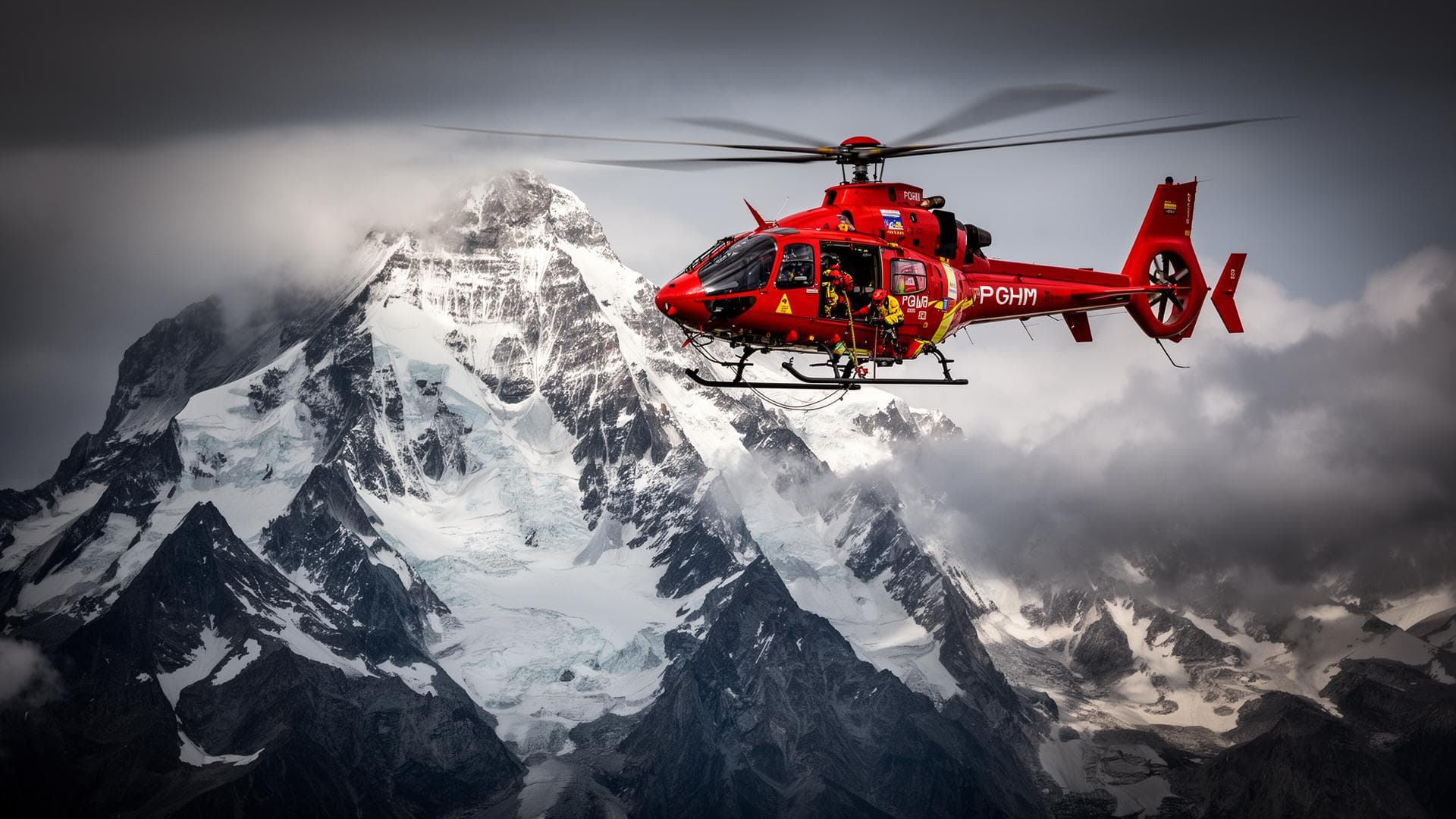
Worsening symptoms, confusion, breathlessness at rest: descent is the only reliable response.
| Symptom | Possible meaning | Cautious response |
|---|---|---|
| Headache | Possible onset of acute mountain sickness | Slow down, monitor, do not dismiss it. |
| Nausea | Poor tolerance to altitude | Inform the guide, consider descending. |
| Unusual fatigue | Poorly tolerated effort or hypoxia | Reduce effort, assess lucidly. |
| Confusion | Potentially serious signal | Descend and call for rescue if necessary. |
| Breathlessness at rest | Concerning signal | Do not continue without competent advice. |