How do I know if I'm ready for the Mont Blanc ascent?
Written by Victor Michel — history enthusiast and passionate alpinist based in Chamonix. Published May 10, 2026 · Updated August 24, 2026
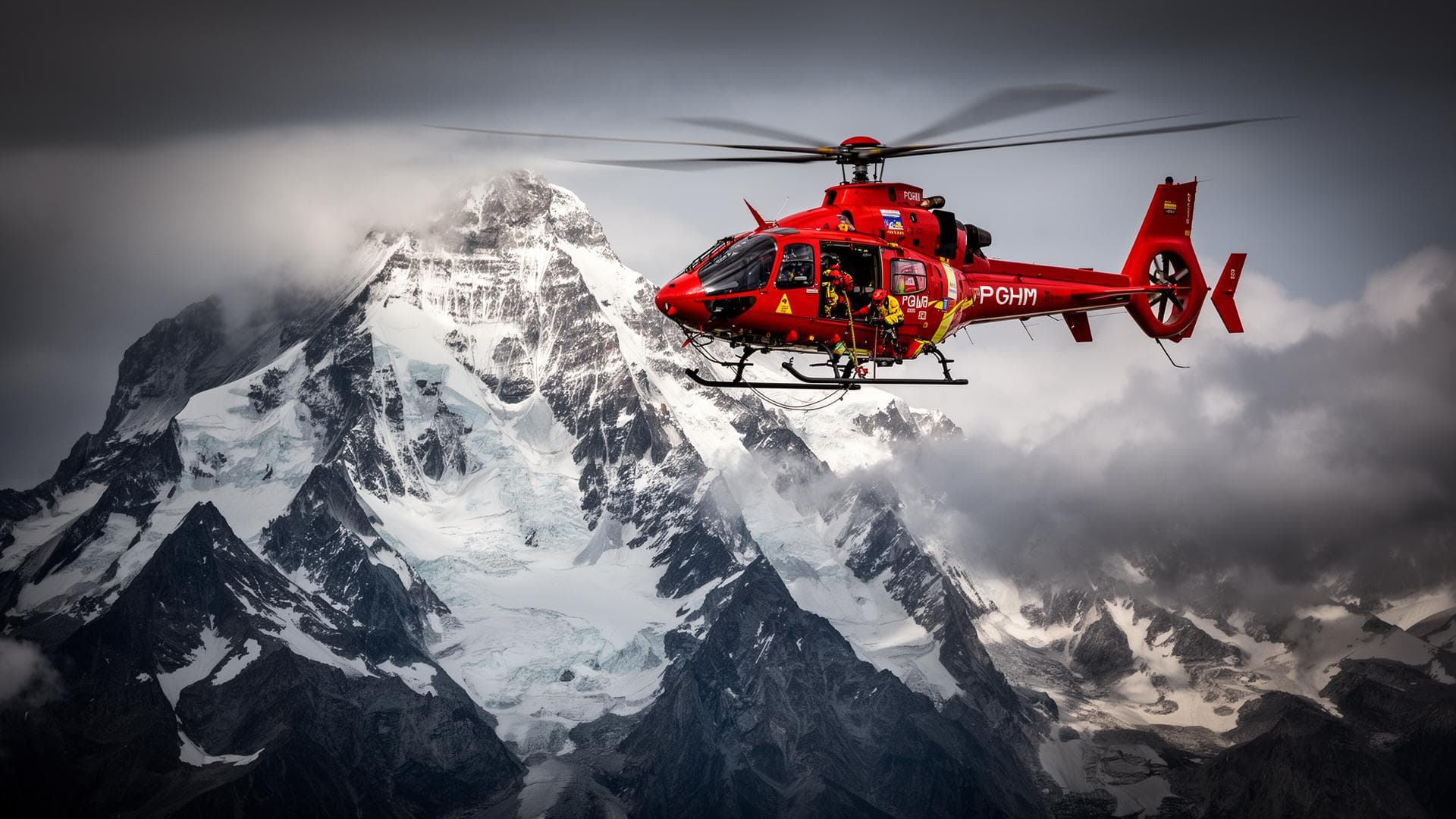
Being ready for Mont Blanc (4,805.59 m IGN 2021) does not simply mean being able to walk for long periods. You must combine physical fitness, genuine alpine experience, tolerance for altitude above 3,500 m, ability to handle extreme cold (-15°C to -25°C at the summit), technical mastery of glacier equipment, and humility facing the conditions. According to Chamonix PGHM, 60% of accidents occur on the descent, often involving climbers who underestimated their fatigue level or overestimated their abilities.
Key takeaways
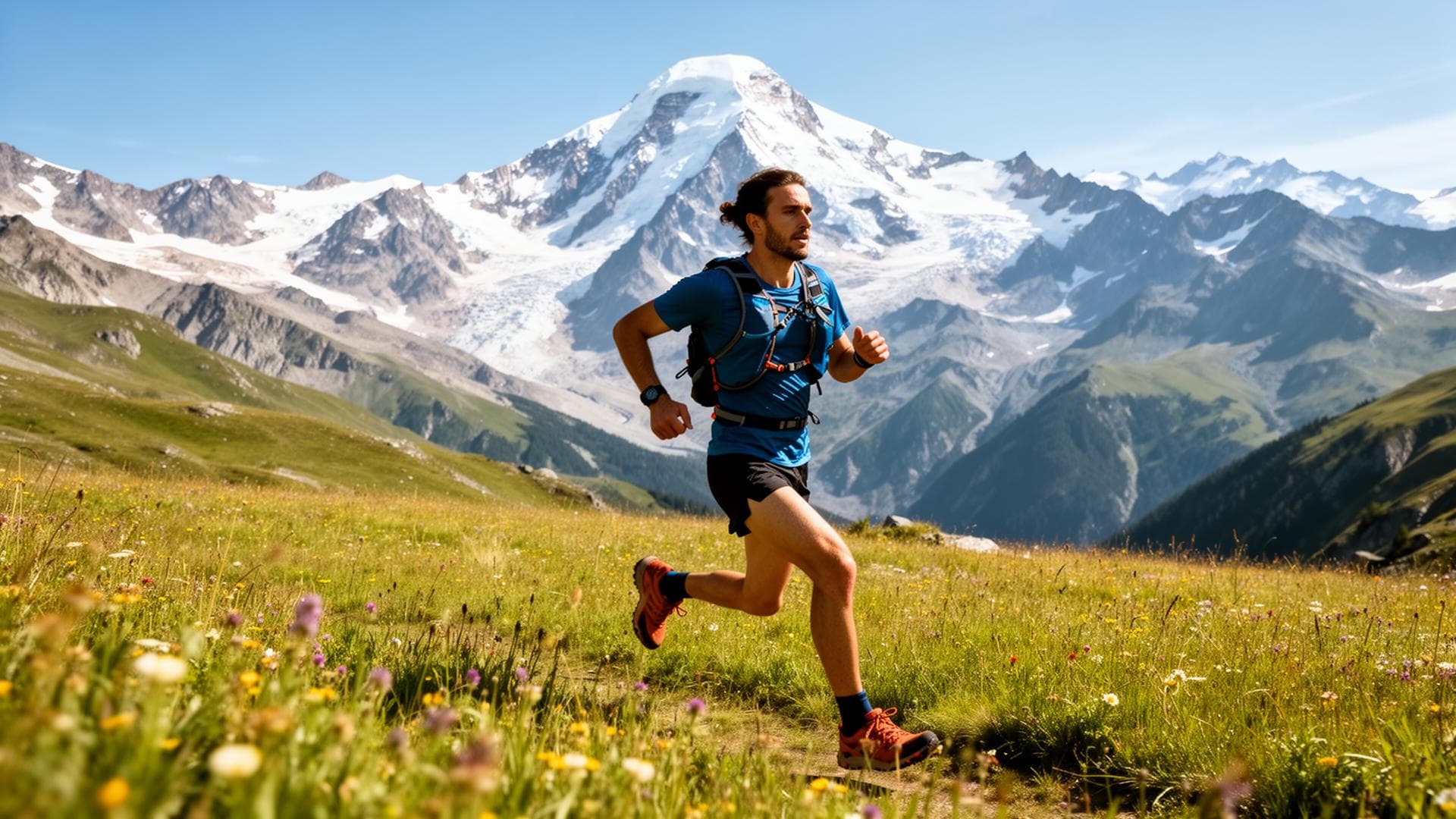
- Endurance: 8 to 12 hours of walking with a 10-12 kg pack, cumulative elevation gain +2,436 m (Nid d'Aigle → summit)
- Altitude: having slept or climbed above 3,000 m — ideally a climb to 3,500-4,200 m during preparation
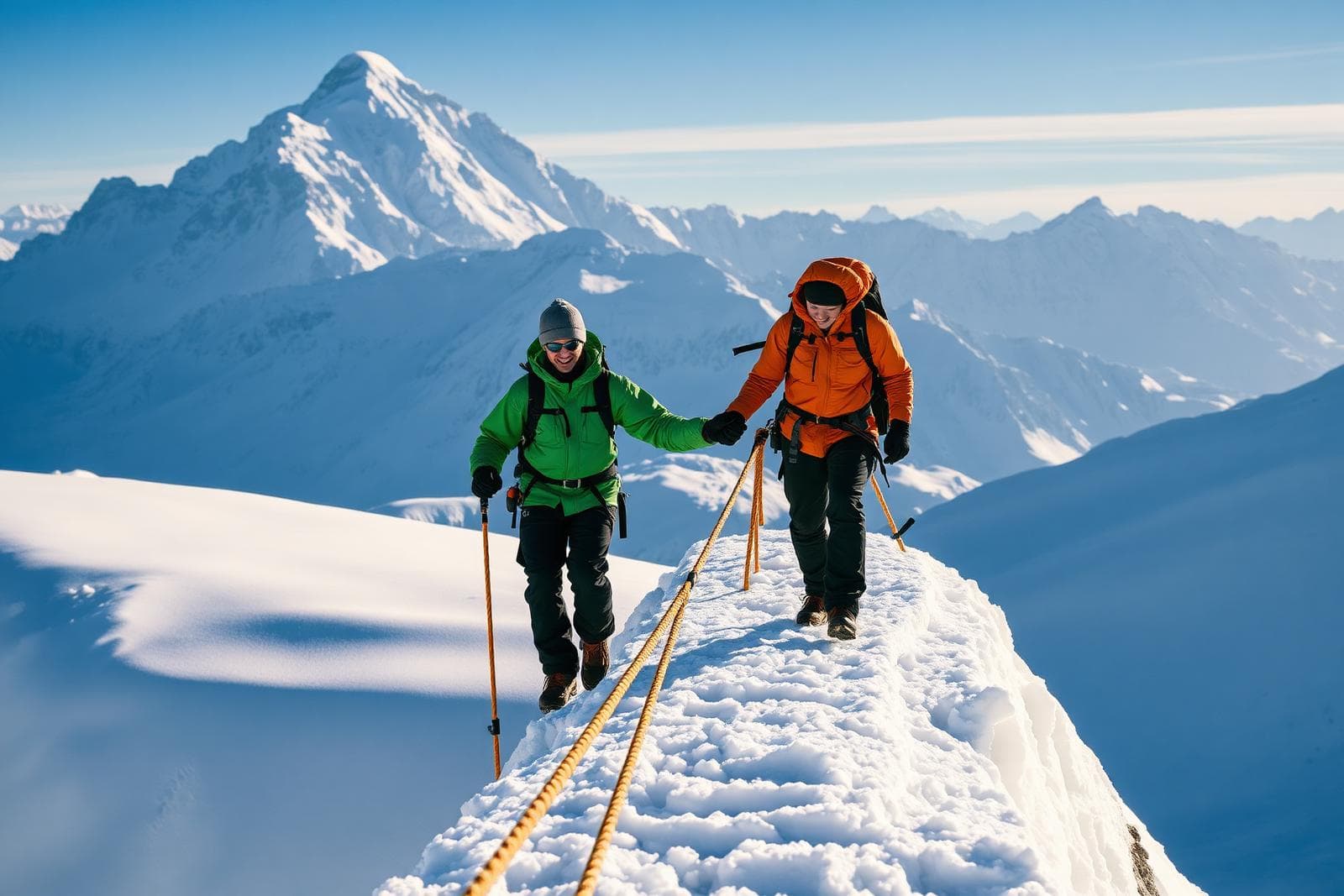
- Glacier technique: 12-point crampons, ice axe, roped progression — minimum AD− level without a guide
- Extreme cold: managing temperatures of -15°C to -25°C, wind up to 100 km/h above 4,000 m
- Mental & clarity: ability to turn back at Dôme Col (4,250 m) or Vallot Shelter (4,362 m)
- If in doubt about any criterion: guidance by a UIAGM guide recommended by ENSA and SNGM
Mont Blanc is not a hike
Mont Blanc is a mountaineering route graded PD− (Moderately Difficult) in favorable conditions, and can reach AD+ in poor weather or fresh snow. It demands serious physical, technical, and mental preparation — far beyond a simple high-altitude hike.
| Criterion | Question to ask yourself | Expected level |
|---|---|---|
| Cardiovascular endurance | Can I walk 8 to 12 hours with a 10-12 kg pack? | Yes, without finishing exhausted — test on a hike with +1,500 m elevation gain. |
| Elevation gain | Have I completed several outings with more than 1,000–1,500 m of elevation gain? | Yes, several times. Mont Blanc totals +2,436 m from Nid d'Aigle. |
| Altitude | Have I slept or climbed above 3,000 m? | Highly recommended. One night at 3,500 m (e.g., Cosmiques) before Mont Blanc is ideal. |
| Crampons | Have I walked with 12-point crampons on hard snow and ice? | Yes, or recent guided training. 10-point crampons are insufficient on hard ice. |
| Ice axe | Do I know how to use it for balance, support, and fall arrest? | Arrest technique is essential — practice beforehand on sloping snow. |
| Glacier | Have I climbed roped on a glacier while managing crevasses? | Recommended. The Dôme du Goûter (4,304 m) and Bosses Ridge require this autonomy. |
| Cold | Can I manage hands, feet, and breaks at -20°C? | Essential. Wind creates a perceived temperature down to -35°C at the summit in summer. |
| Mental | Can I accept turning back 200 m from the summit? | Essential. Most accidents occur when climbers fail to turn back. |
| Autonomy | Can I read weather conditions and make decisions alone at altitude? | Yes if unguided, no if guided — the decision to turn back always belongs to the rope team. |