Written by Victor Michel — history enthusiast and passionate alpinist based in Chamonix. Published May 2, 2026 · Updated August 31, 2026 · 8 min read
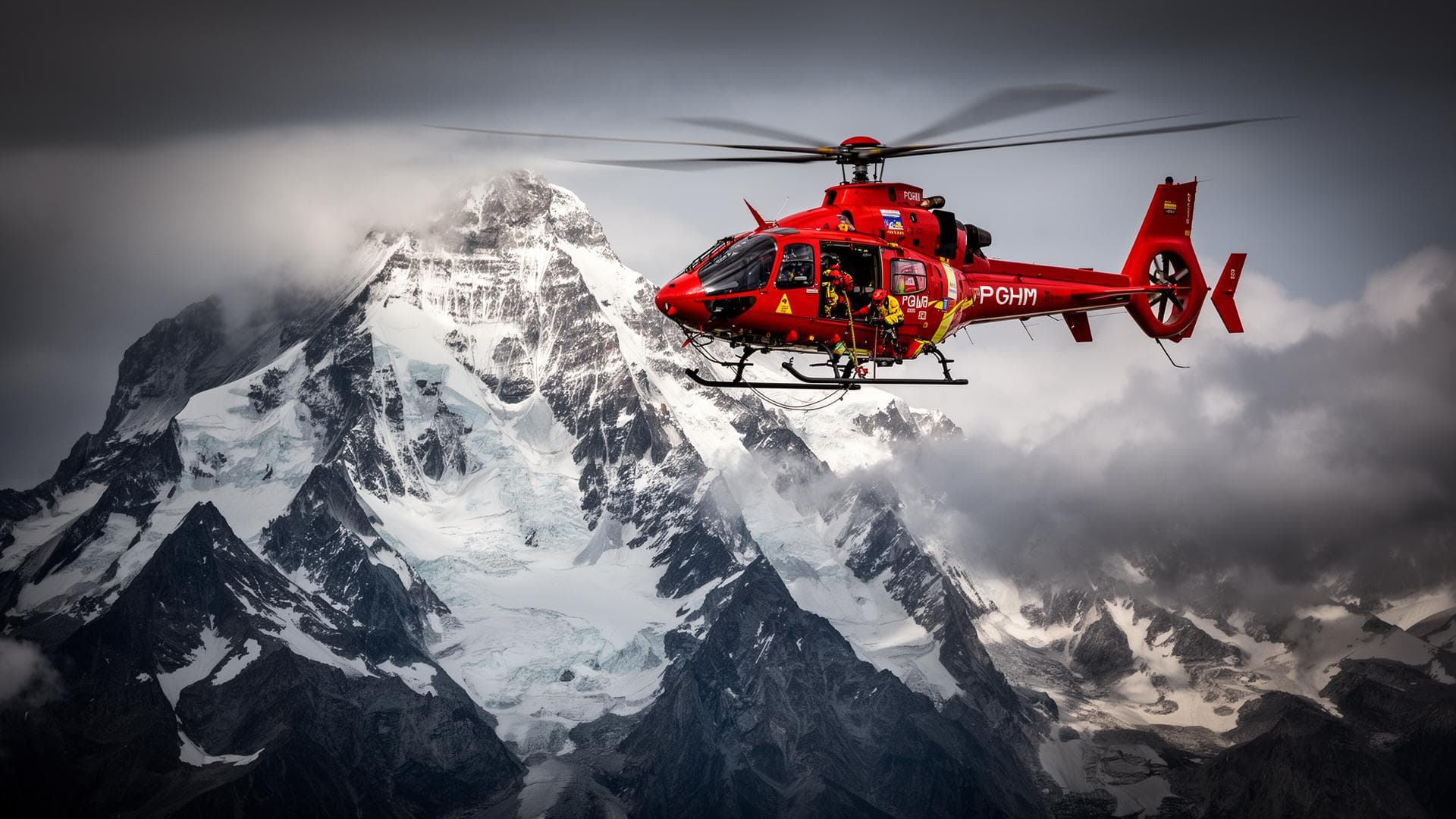
Mont Blanc (4,805.59 m — IGN measurement 2021) concentrates several risks typical of high mountains: altitude, extreme weather, the Grand Couloir, crevasses, seracs, cold and fatigue. PGHM Chamonix records an average of 20 to 30 deaths and over 100 accidents per year on the massif. Safety relies on preparation, equipment, reading conditions and the ability to turn back.
Summary
Mont Blanc (4,805.59 m) concentrates altitude, extreme weather, the Grand Couloir (crossing mandatory before 7am), crevasses and seracs. PGHM Chamonix records 20 to 30 deaths and over 100 accidents per year on the massif. Safety relies on suitable equipment, prior acclimatization, reading conditions and the ability to turn back.
Altitude — 4,805.59 m
Mont Blanc's summit stands at 4,805.59 m (IGN measurement 2021). At this altitude, the partial pressure of oxygen is reduced by 42% compared to sea level. Acute mountain sickness (AMS) can appear as low as 2,500 m in non-acclimatized people; the risk is high above 3,500 m. Symptoms: persistent headaches, nausea, dizziness, insomnia. If AMS is confirmed, the only effective measure is immediate descent.
Weather — rapid changes
The Mont Blanc massif generates its own weather conditions. In midsummer, wind can reach 80 to 100 km/h at the summit, with a wind-chill of −25°C to −35°C. A stable weather window of at least 48 h is recommended. Check the Météo-France massif bulletin no. 74 (Haute-Savoie) the day before and the morning of departure, as well as real-time conditions on the Chamonix Mont-Blanc website.
Grand Couloir — mandatory before 7am
Located around 3,580 m on the Goûter route, the Grand Couloir is a rock-and-ice couloir exposed to rockfall triggered by thaw on the north face. PGHM Chamonix and ENSA formally recommend crossing this passage before 7am, while the face is still frozen. In the afternoon, this passage accounts for the majority of serious accidents on the Goûter route. Cross quickly, diagonally, without stopping.
Crevasses — roping up is essential
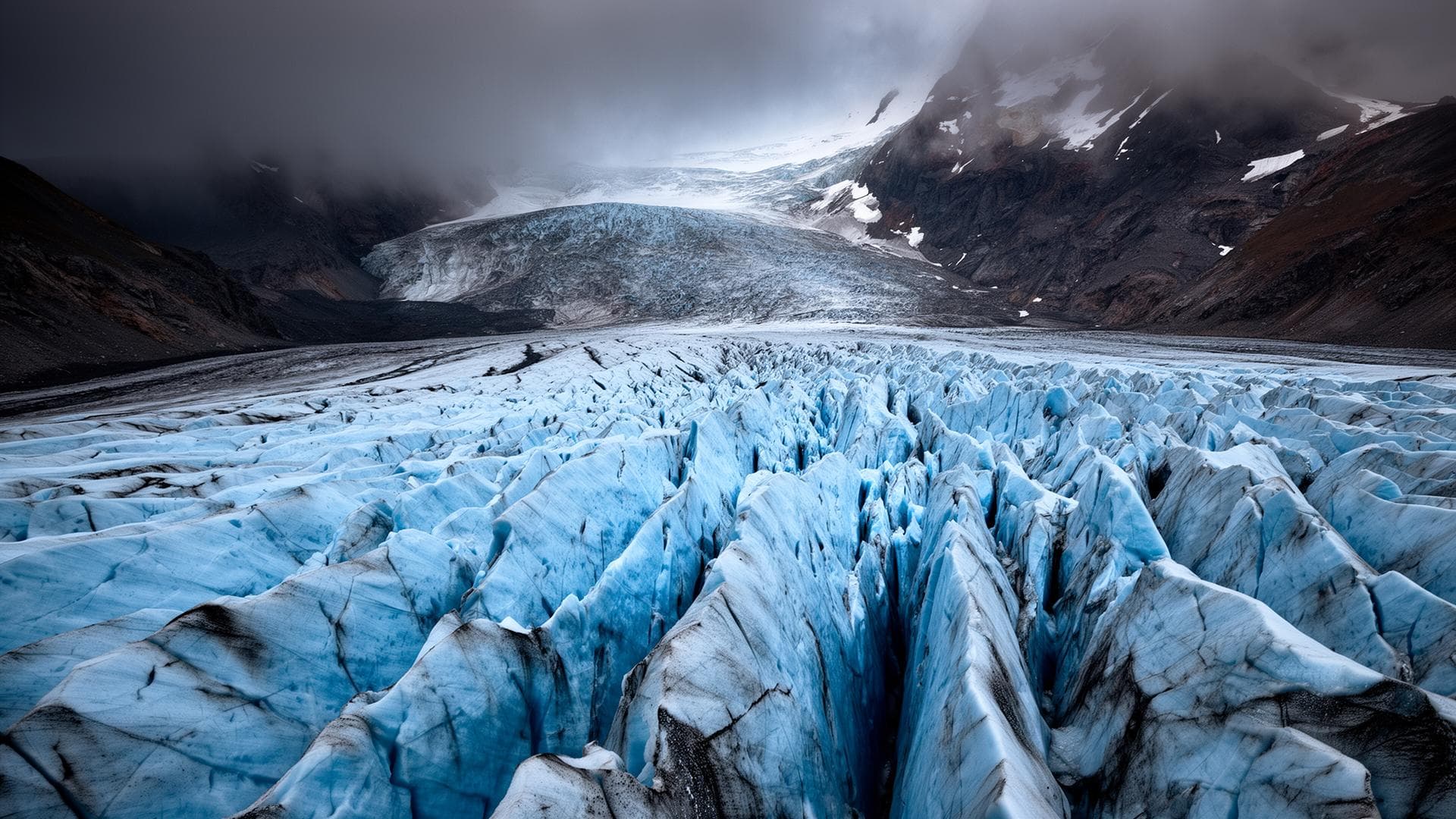
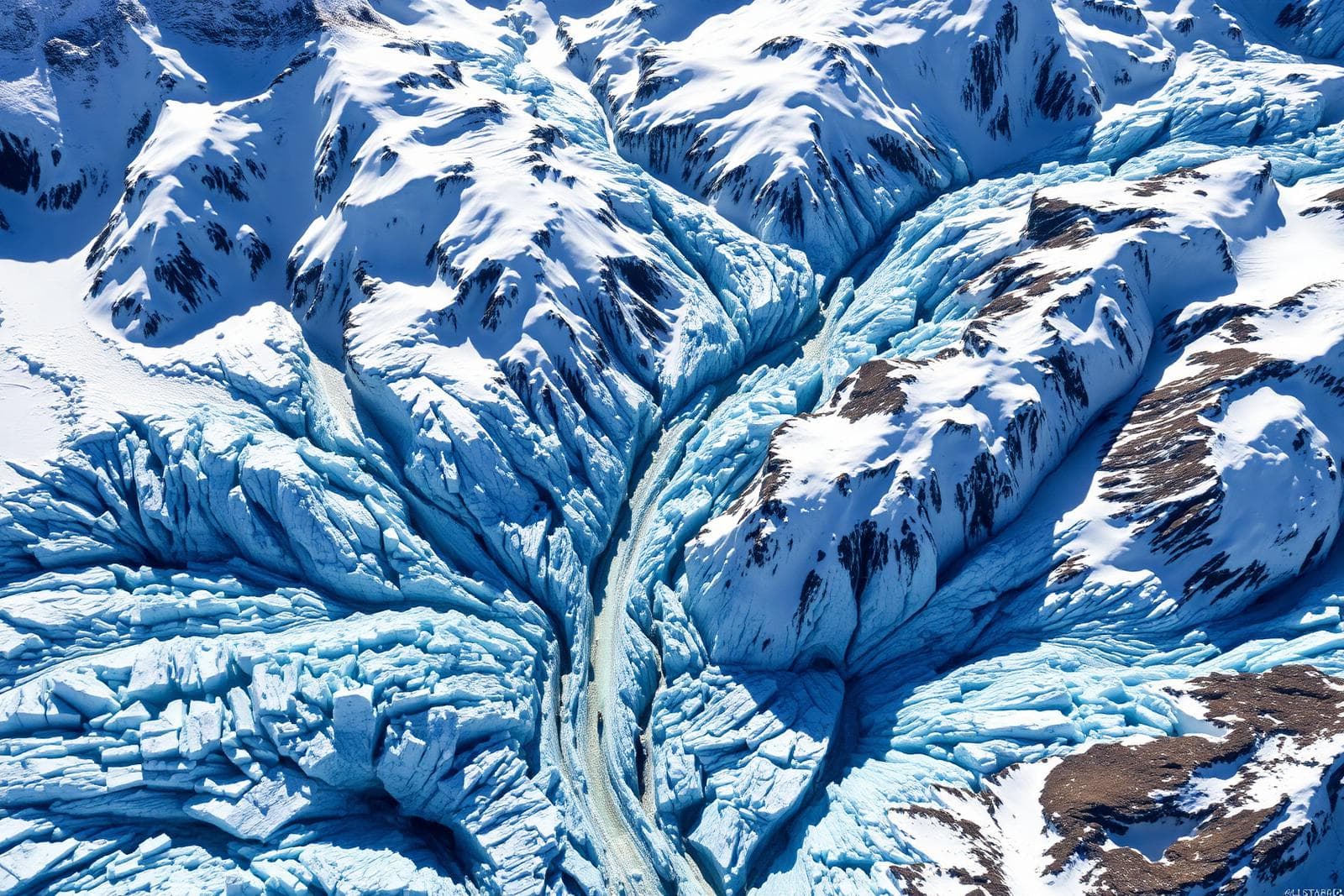
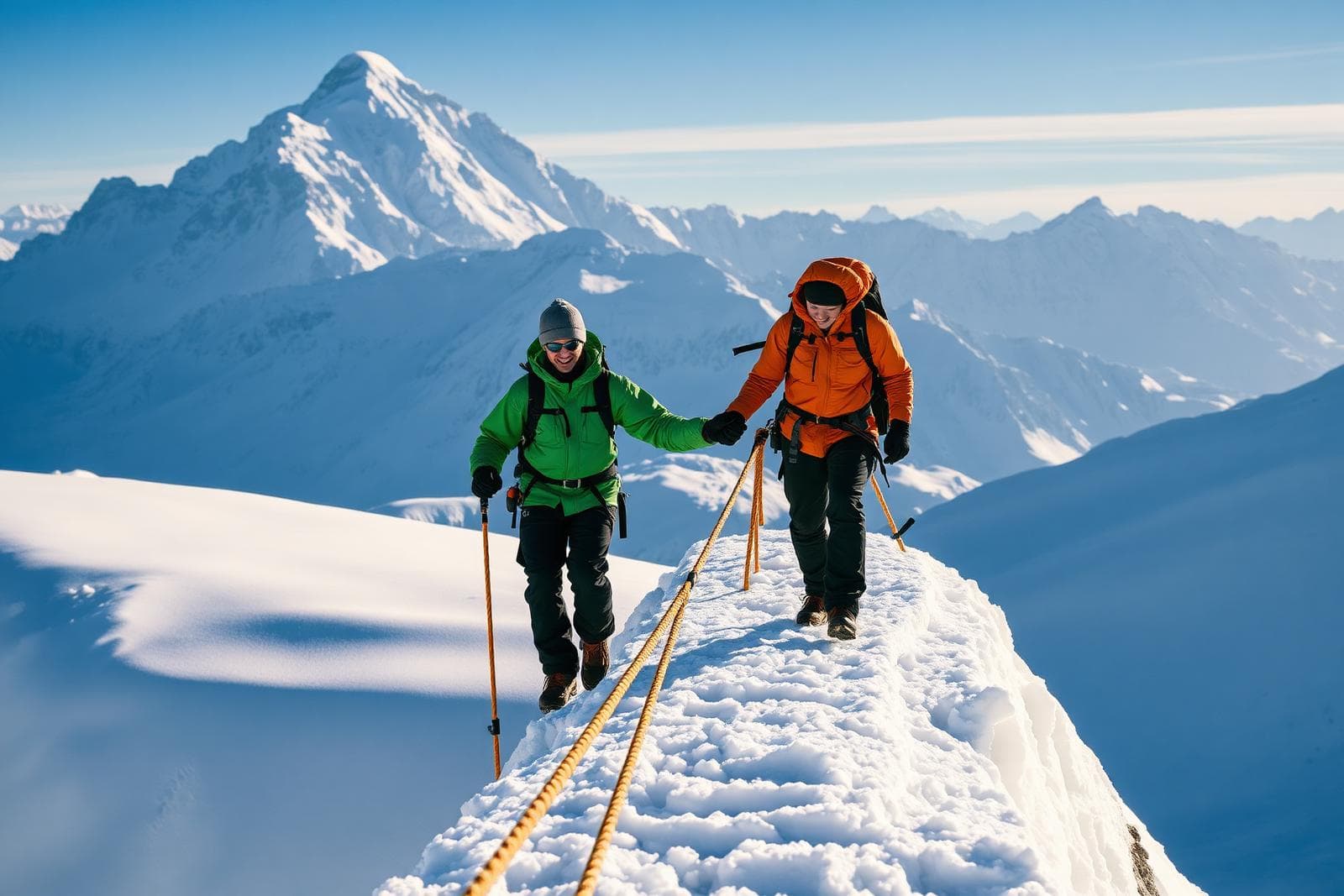
Present on all glacial itineraries, crevasses can reach 30 to 40 m deep. Correct rope technique (10 to 15 m spacing between rope team members depending on team size — full detail in our dedicated guide), knowledge of crevasse rescue techniques (self-rescue, Prusik knot) and progressing outside the warm hours of the afternoon are essential. On a glacier, never move unroped.
Seracs — unpredictable collapse
Seracs are unstable blocks of ice weighing several tons, whose collapse is unpredictable. They are found notably below the Tacul (4,248 m) and the Maudit (4,465 m) on the Three Peaks route, as well as on several itineraries on the Italian face. These zones must be crossed quickly, preferably at night or early morning, when the ice is most stable.
Cold — −25°C wind-chill at the summit
In July-August, the average summit temperature ranges between −15°C and −25°C, with wind-chill that can drop to −35°C. Frostbite forms within minutes if skin is exposed. Feet, hands, nose and ears are the most vulnerable. Complete high-altitude gear is essential: waterproof over-mitts, gaiters, windproof balaclava, category-4 glacier glasses.
Fatigue — impaired judgment
At the Goûter Refuge (3,835 m), departure happens between midnight and 2am after only 4 to 5 hours of sleep. The combination of sleep deprivation, altitude, over 1,000 m of elevation gain and cold durably impairs judgment and decision-making. PGHM identifies fatigue as one of the main factors behind errors of judgment in the final phase of the ascent.
Route-finding errors
In fog or poor visibility, multiple tracks in the snow and the lack of visual landmarks can cause a deviation of several hundred meters. On the Dôme du Goûter plateau (4,304 m), several rope teams have had to be winched out after getting lost in whiteout conditions. A topographic map and compass (or GPS) remain essential.
Descent — 60% of accidents
Statistically, over 60% of serious Mont Blanc accidents occur during the descent (PGHM Chamonix data). Cumulative fatigue, reduced vigilance, crampons clogged with sticky snow and weather deteriorating over the course of the day create a particularly dangerous context. The descent must be approached with the same concentration and pace as the climb.
Turning back — an alpinist's skill
PGHM Chamonix insists on this point: knowing when to give up saves lives. Set a turnaround time before departure (generally 11am or noon at the latest depending on start time) and stick to it regardless of your position. In 2023, several rope teams involved in serious accidents had reached the summit after 1pm. The summit will wait — you won't.
The role of a UIAGM guide
High-mountain guides are state-certified professionals, trained by the École Nationale de Ski et d'Alpinisme (ENSA, Chamonix) and registered with the Syndicat National des Guides de Montagne (SNGM). Their presence roughly doubles the chances of success and significantly reduces risk: 65–80% success rate with a guide versus 30–40% without one (Chamonix guide companies data).
Check conditions before setting out
Before every departure, systematically check: (1) Météo-France massif bulletin no. 74; (2) Goûter and Tête Rousse hut conditions via the FFCAM; (3) Condition reports from the Compagnie des Guides de Chamonix; (4) Alerts and recommendations from PGHM Chamonix (+33 4 50 53 16 89). These checks are the first step of safety.
Acute mountain sickness (AMS)
AMS affects between 25 and 50% of alpinists who have not acclimatized above 3,000 m beforehand. Symptoms to watch for: persistent headaches, nausea, dizziness, insomnia, unusual fatigue. The absolute rule: if AMS is confirmed, descend immediately, even if it means giving up the summit. Prior acclimatization (a night at 3,000–3,800 m) significantly reduces this risk.
Accident data — PGHM figures
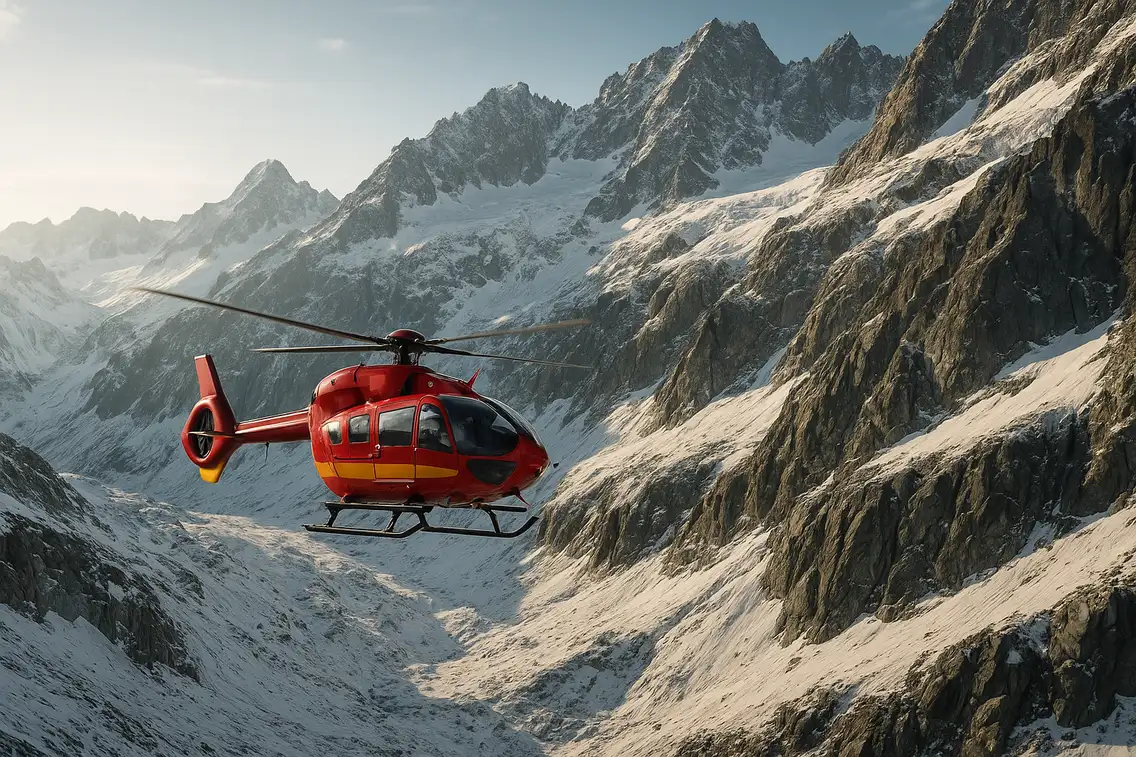
PGHM Chamonix carries out between 800 and 1,200 interventions per year in Haute-Savoie. On the Mont Blanc massif, the annual toll averages 20 to 30 deaths and more than a hundred accidents requiring a rescue operation. A helicopter winch rescue costs between €2,000 and €5,000 (indicative amount). Mountain insurance with repatriation coverage is strongly recommended — FFCAM membership (~€24/year) includes one.
Risk table by route
Risk
Goûter Route
Three Peaks Route
Prevention
Rockfall
High (Grand Couloir)
Low
Cross before 7am
Crevasses
Moderate (Bossons Glacier)
High (Tacul, Maudit)
Roping up mandatory
Seracs
Low
High (below Tacul)
Cross at night/early morning
Cold / frostbite
High (summit −25°C)
High (summit −25°C)
Over-mitts, gaiters, balaclava
AMS
High (from 3,500 m)
High (bivouac at 3,800 m)
Prior acclimatization
Weather
High
High
Météo-France bulletin no. 74
Sources: PGHM Chamonix, ENSA, guide company data 2026.
Safety FAQ
What is the main risk on Mont Blanc?
There isn't a single dominant risk. PGHM Chamonix identifies three main causes of accidents: weather (unpredictable phenomena), the Grand Couloir (rockfall, Goûter route) and fatigue (errors of judgment during the descent). These risks add up and can compound within minutes.
Why is the descent dangerous?
Over 60% of serious Mont Blanc accidents occur during the descent (PGHM Chamonix data). Cumulative fatigue, reduced vigilance, clogged crampons and sometimes deteriorating weather over the day are the main factors. The descent demands the same concentration as the climb.
How many accidents happen each year on Mont Blanc?
PGHM Chamonix records an average of 20 to 30 deaths and over a hundred accidents requiring a rescue operation each year on the Mont Blanc massif. These figures vary with the seasons and weather conditions.
What should you do in case of acute mountain sickness (AMS)?
If AMS is confirmed (persistent headaches, nausea, dizziness), the only effective measure is immediate descent of 500 to 1,000 m in altitude. Never continue ascending with AMS symptoms. Contact PGHM Chamonix (+33 4 50 53 16 89) if the situation worsens.
What time should you cross the Grand Couloir?
Before 7am, absolutely. ENSA (École Nationale de Ski et d'Alpinisme) and PGHM Chamonix formally recommend crossing the Grand Couloir early, while the north face is still frozen. In the afternoon, thaw releases rockfall and this passage becomes very dangerous.
Official contacts and prevention resources
PGHM Chamonix — Peloton de Gendarmerie de Haute Montagne (Mountain Rescue)
PGHM Chamonix — History, selection and equipment of the rescue unit
Safety and rescue resources
Safety & prevention
La Chamoniarde — Sécurité Mont Blanc
A major prevention resource on the Mont Blanc ascent: the classic routes, objective hazards, high-mountain conditions and the questions to ask yourself before an attempt.