The most common mistakes during the Mont Blanc ascent
Written by Victor Michel — history enthusiast and passionate alpinist based in Chamonix. Published May 10, 2026 · Updated August 24, 2026
Most failures or dangerous situations on Mont Blanc do not come from a single factor, but from an accumulation: starting too fast, poor equipment, poorly tolerated altitude, misread weather, fatigue, summit pressure or lack of experience.
| Mistake | Why it's dangerous | How to reduce the risk |
|---|---|---|
| Thinking it's a hike | Total underestimation of the terrain and altitude | Approach Mont Blanc as a mountaineering route |
| Setting off without acclimatization | Acute mountain sickness, reduced performance | Do preparatory nights and outings at altitude |
| Underestimating the descent | Fatigue, loss of alertness, accidents | Keep energy and mental reserve |
| Walking too fast at the start | Early exhaustion, hypoxia | Adopt a steady, sustainable pace |
| Testing new gear | Blisters, discomfort, failure | Test everything on preparatory outings |
| Neglecting gloves | Frostbite on extremities | Two pairs: thin and warm |
| Confusing valley and summit weather | Surprise wind and cold | Read mountain and summit-altitude wind forecasts |
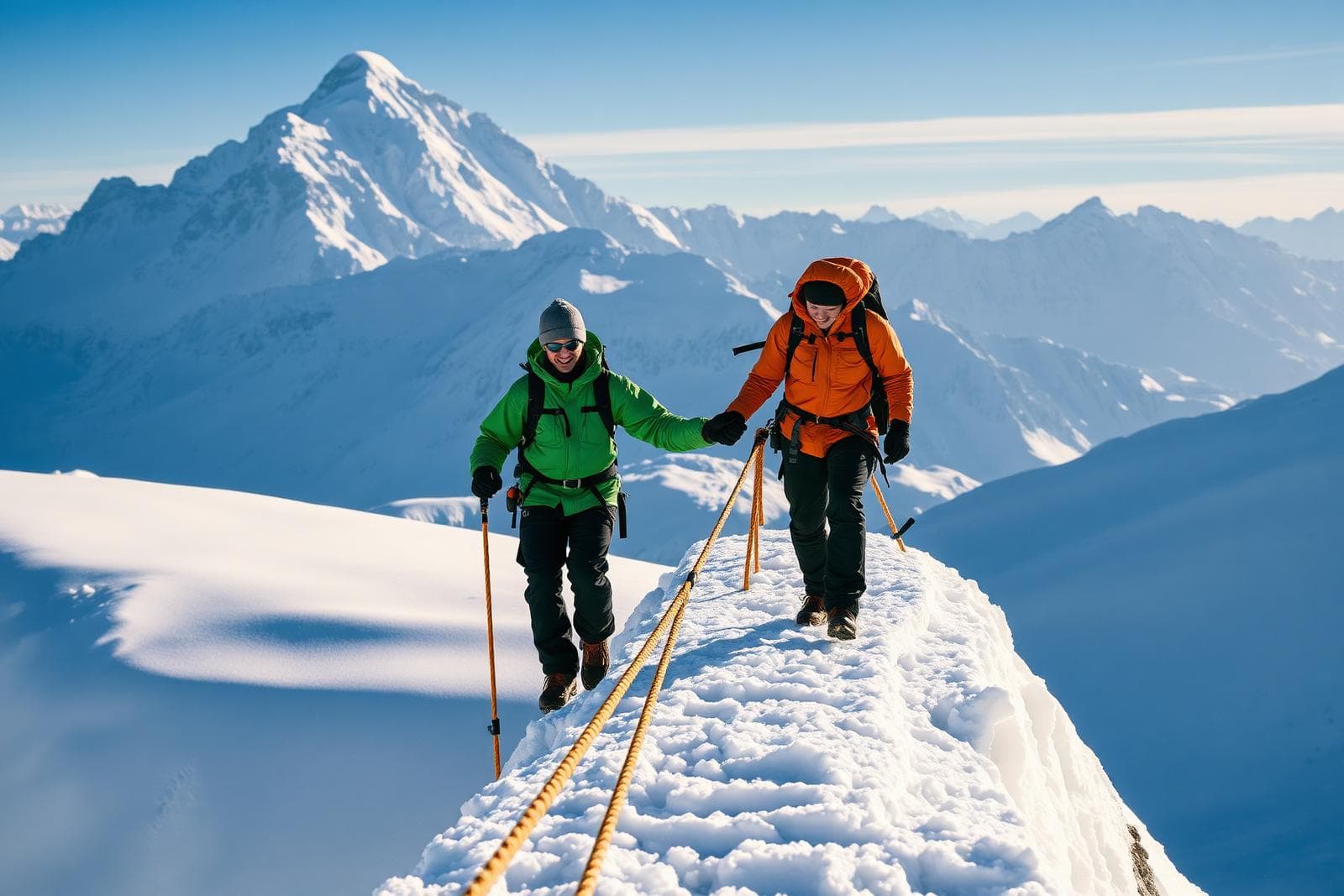
| Ignoring seracs and crevasses | Falls, burial | Roping up, adapted timing, glacier reading |
| Crossing the Grand Couloir at the wrong time | Rockfall | Cross early, listen to the refuge wardens |
| Following a rope team without understanding | Collective route error | Know the route yourself or be with a guide |
| Continuing due to summit pressure | Biased decisions | Accept turning back as a success |
| Poor refuge booking | Broken logistics, canceled ascent | Book well ahead through official channels |
| Confusing a guide with a hiking leader | Guiding unsuited to high mountains | Check the UIAGM certification |
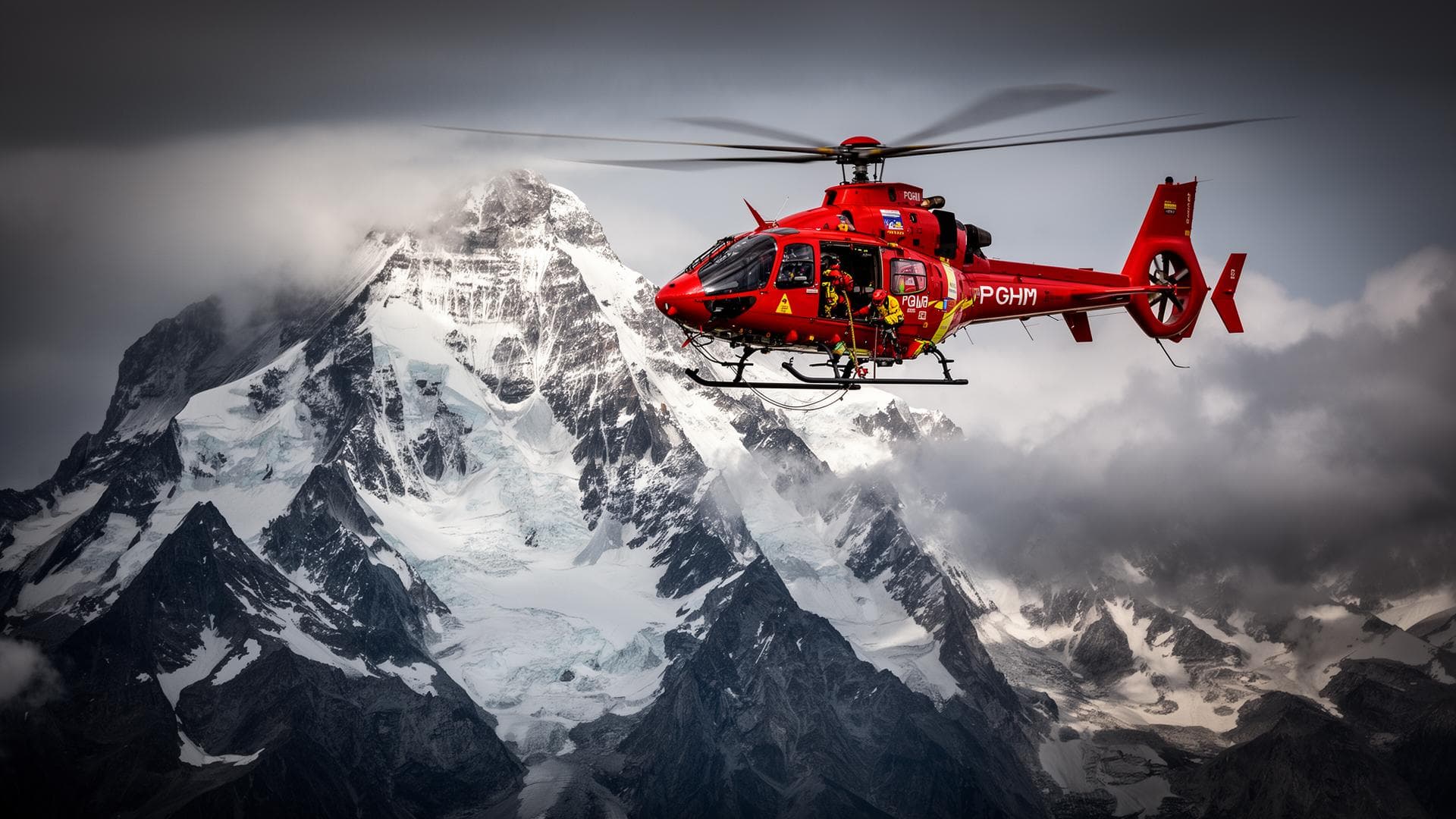
| Relying on rescue services | False sense of security | Prevention remains the first line of safety |
| Poor hydration and nutrition management | Hypoglycemia, fatigue, AMS | Drink and eat regularly, from the start |
Read next
FAQ
What is the most common mistake on Mont Blanc?
Treating the ascent as a hike when it is a mountaineering route, with the total underestimation of the terrain and altitude that follows.
Why not set off without acclimatization?
The risk is acute mountain sickness and reduced performance — acclimatization is built through preparatory nights and outings at altitude.
Why avoid testing new gear on the day of the ascent?
Untested gear causes blisters, discomfort or failure — everything must be validated on preparatory outings.
When should you cross the Grand Couloir on the Goûter route?
Early, following the refuge wardens' advice, to limit exposure to rockfall.
How can you tell a genuine high-mountain guide?
By checking the UIAGM certification — a hiking leader does not have the qualification needed to guide a glacier route like Mont Blanc.
Should you count on rescue services if something goes wrong?
No: prevention remains the first line of safety, and rescue must never be regarded as a convenient fallback.