Rescue, insurance and liability on Mont Blanc
Written by Victor Michel — history enthusiast and passionate alpinist based in Chamonix. Published May 10, 2026 · Updated September 8, 2026 · 4 min read
Before climbing Mont Blanc, you must verify your insurance coverage, understand the limits of your liability, and never regard rescue as a comfort solution. High altitude mountaineering requires prevention rather than relying on rescue intervention.
Key takeaways
- Verify alpinism insurance before each climb.
- The PGHM covers life-threatening emergencies; a situation judged reckless can be billed via a private helicopter.
- FFCAM rescue and repatriation insurance: €25/year (€20 under 24), on top of base membership.
- Rescue is not a comfort solution.
- Prevention remains the first line of safety.
- Turning back is sometimes the only right decision.
Mountain rescue
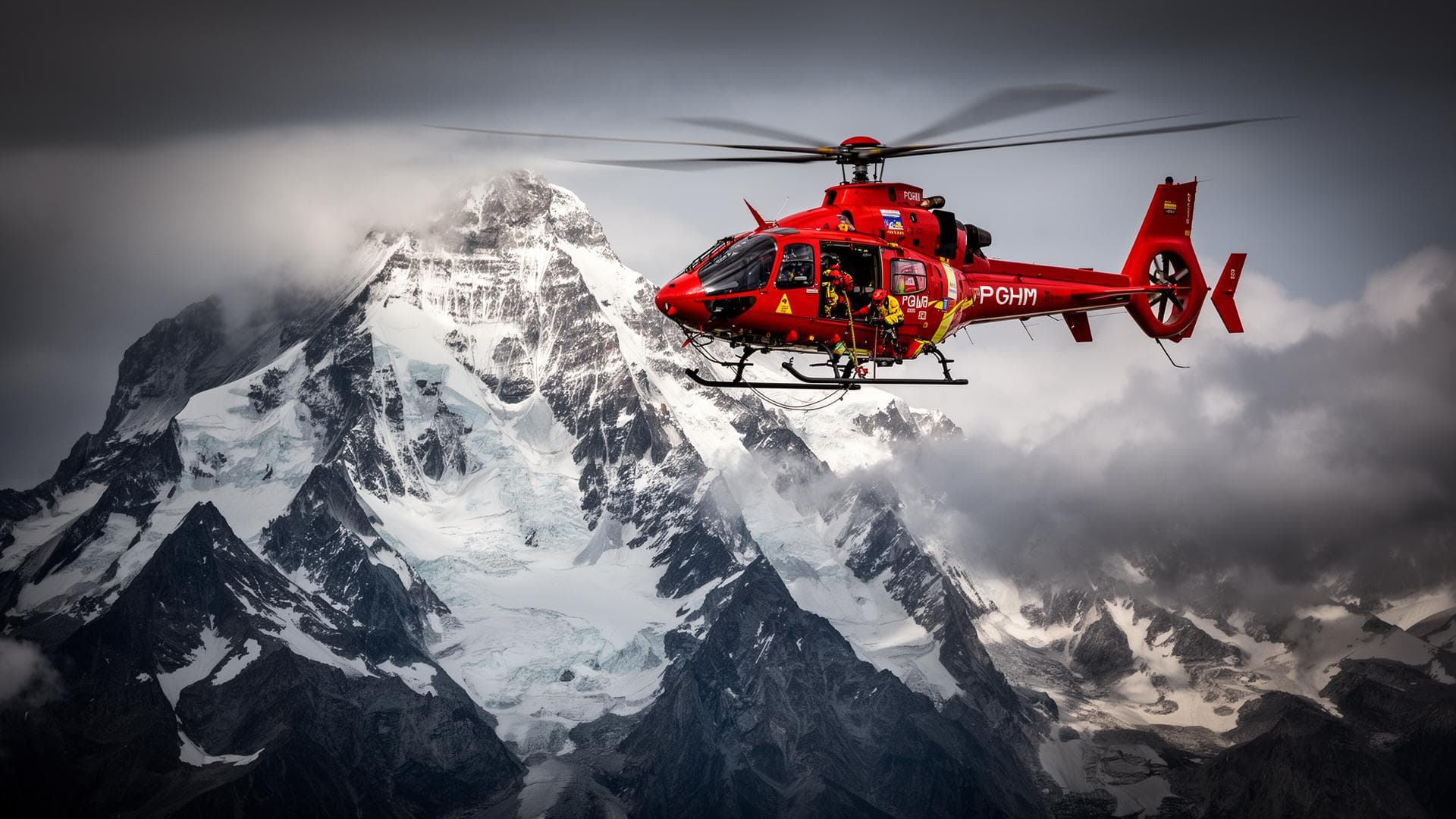
Mountain rescue operations are coordinated by specialized units, foremost among them the PGHM. Their response depends on weather, altitude, visibility and available resources — and on how the situation is assessed: a life-threatening emergency is covered by the State, while a situation judged reckless can be referred to a private helicopter, entirely at the rescued party's expense.
PGHM
The Peloton de Gendarmerie de Haute Montagne is one of the institutional references for mountain rescue in France.
Alpinism insurance
Suitable insurance must explicitly cover mountaineering, high-altitude rescue and repatriation — a standard travel policy is not enough. FFCAM's Assistance Secours France/EU/Morocco option costs €25/year (€20 under 24) on top of base membership, and covers individual accident, repatriation, and search-and-rescue costs within certain limits. Specialized insurers (Mountain Wilderness, Allianz Assistance, AWP) offer comparable cover for non-FFCAM members.
Potential costs
The PGHM is not always free: its intervention is covered by the State for a life-threatening emergency, but can be declined if the situation is judged reckless — in which case those involved must charter a private helicopter at their own expense. A concrete example: on 12 August 2026, 32 climbers who requested evacuation from the Goûter refuge (3,835 m) after a night there were refused a PGHM response, judged not justified by a life-threatening emergency — the Goûter couloir had improved enough in the meantime to allow a descent on foot. Evacuated by the private company Chamonix Mont-Blanc Hélicoptères, they paid €95 per person thanks to a group flight; an individual charter would have cost considerably more, up to €40 per minute of flight. According to a Cour des Comptes report published in February 2026, the average cost of a mountain rescue operation now stands at €10,780, up 55% since 2012 — the Court recommends systematic billing of non-urgent interventions by 2028 at the latest.
Individual responsibility
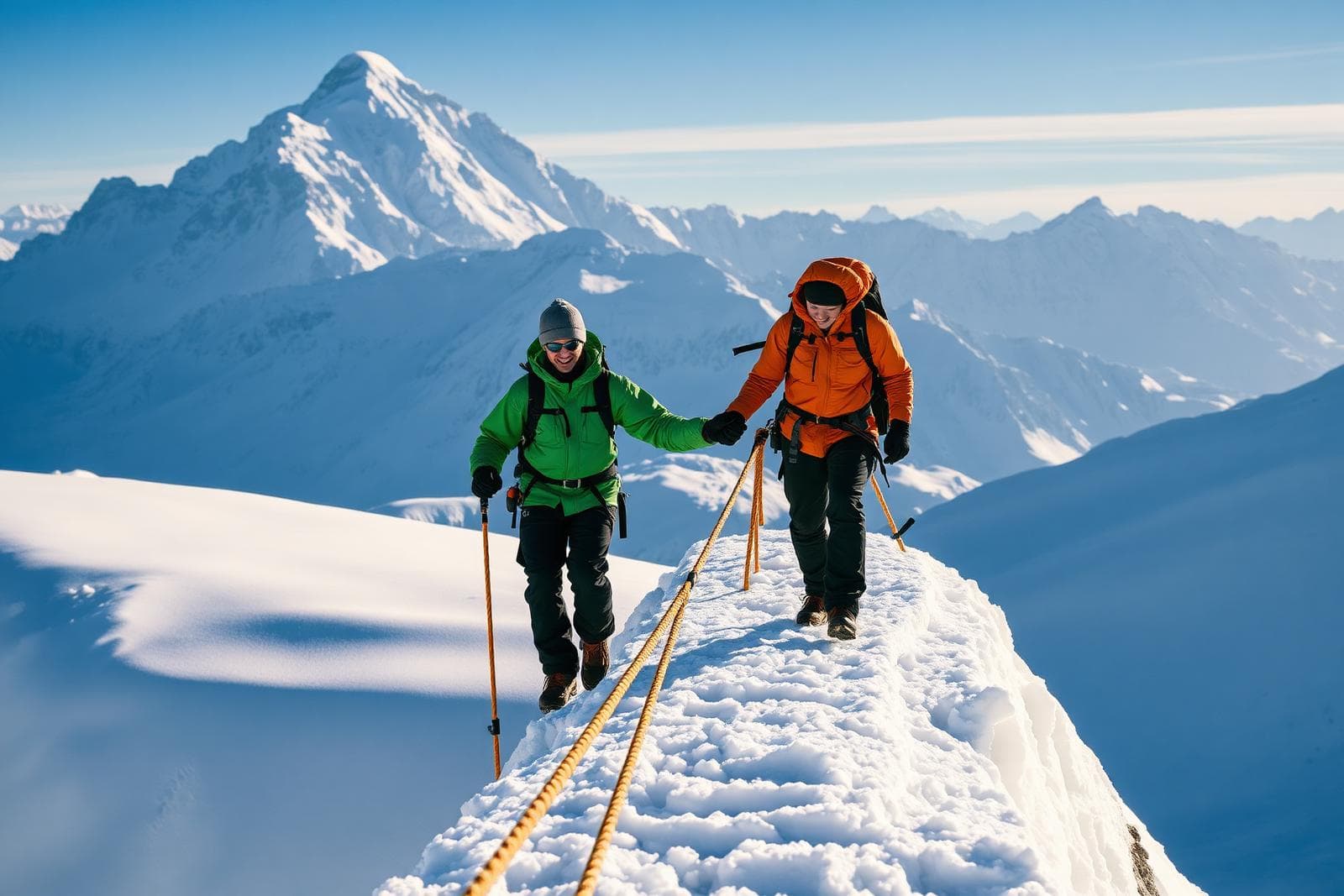
Each person in the rope team engages their own responsibility. The decision to go or turn back always rests with the team.
Prevention
The best safety comes from thorough preparation, favorable conditions and a clear-headed team.
Information to leave with a contact
Planned itinerary, refuge, approximate times, participant identities, emergency contact instructions if prolonged silence occurs.
Why a guide does not eliminate risk
A guide reduces risk through expertise but does not eliminate it. High mountains remain committing terrain.
Mountain rescue teams operate in situations that are sometimes complex and dangerous. Their existence must never justify excessive risk-taking. The safest decision is often to postpone, abandon or adjust the objective.