Aiguille du Tour (3,542 m): the introductory climb before Mont Blanc
Written by Victor Michel — history enthusiast and passionate alpinist based in Chamonix. Published November 7, 2026 · 9 min read
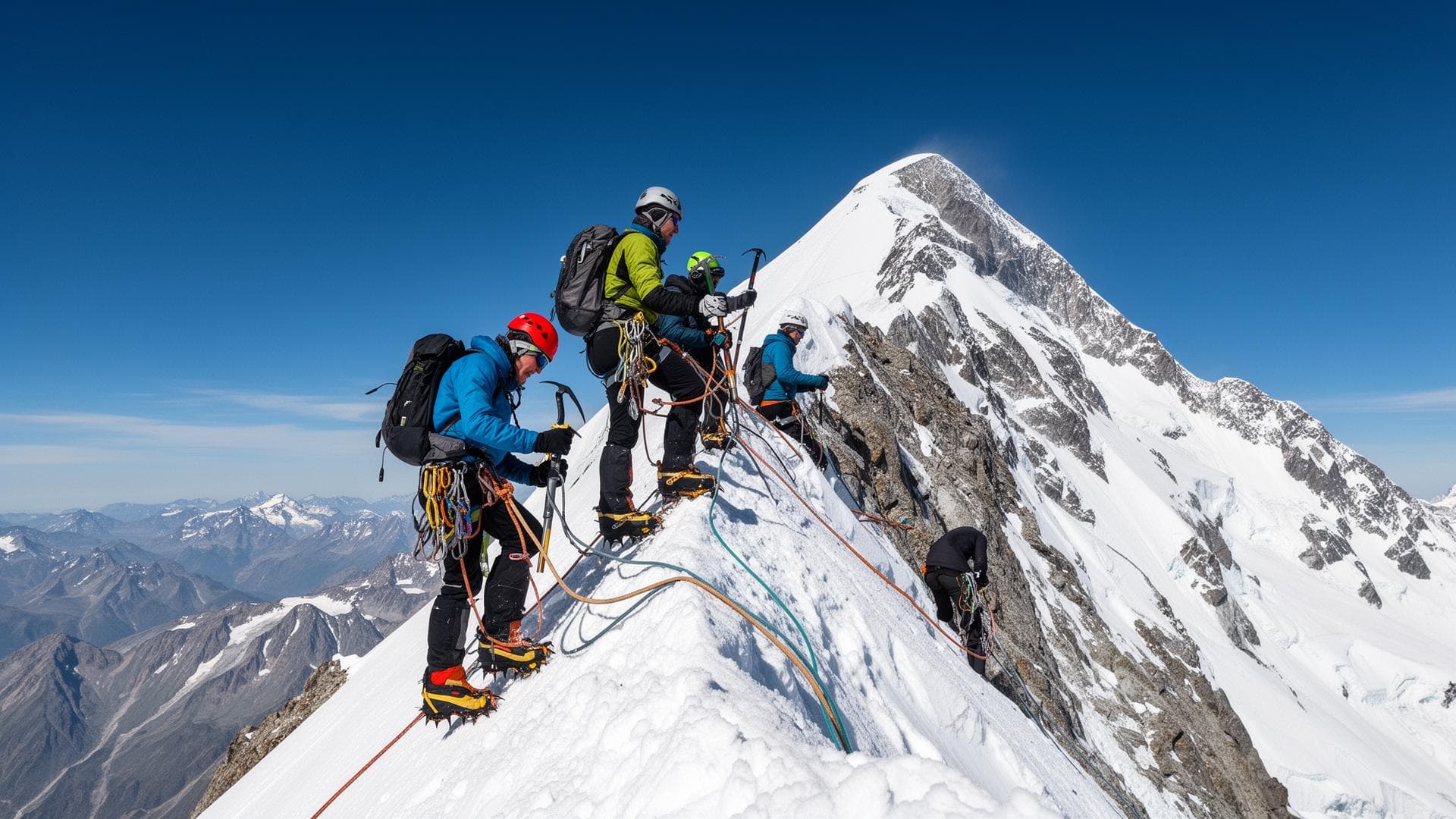
The Aiguille du Tour (3,542 m) is climbed over two days from the Albert 1er hut, graded F, with 840 m of ascent on summit day. The Compagnie des guides de Chamonix presents it as one of the Mont Blanc massif summits best suited to a first mountaineering route, because it drills cramponing and roped glacier travel without the exposure of the Goûter couloir.
Key takeaways
- Altitude: 3,542 m according to the Compagnie des guides de Chamonix.
- Graded F via the col supérieur du Tour.
- Two days: 600 m of ascent to the hut, then 840 m of ascent and 1,440 m of descent on summit day.
- Albert 1er hut at 2,702 m, 140 beds when staffed and 30 when unstaffed.
- Overnight rate: €18.00 for an FFCAM member, €36.00 for the public.
- Access by the Charamillon gondola from Le Tour, then the Autannes chairlift.
Why the Aiguille du Tour serves as the introductory climb before Mont Blanc
The route packs the three constraints of the Mont Blanc normal route into two days: roped glacier travel, a night in a high mountain hut and a departure before daybreak. The Compagnie des guides de Chamonix requires no prior mountaineering or climbing experience, only regular endurance training and sure footing on mountain paths. The gap with the next objective stays wide: Mont Blanc rises to 4,807.47 m, nearly 1,300 m higher, and its normal route adds the crossing of the Grand Couloir du Goûter.
Altitude of the Aiguille du Tour: three figures for one summit
Published sources disagree. The Compagnie des guides de Chamonix gives 3,542 m, Wikidata 3,540 m, Wikipedia 3,544 m for the south summit and 3,529 m for the north summit. Part of the spread has an explanation: the peak has two summits and the normal route reaches the higher one, the south summit. This page keeps the figure published by the local operator of the climb and reports the others rather than settling the matter on their behalf. The peak marks the French and Swiss border, between the glacier du Tour on the French side and the Trient glacier on the Swiss side. Wikidata places it in the Mont Blanc massif at latitude 45.9944 and longitude 7.0098.
Access by the Le Tour and Charamillon lifts
The Charamillon gondola leaves Le Tour, the highest village in the Chamonix valley, and gains 365 m between its bottom station at 1,490 m and the Charamillon chalets at 1,855 m. Built in 1986 by Montaz Mautino, it carries 2,000 to 2,200 people per hour in 10-seat cabins. The Autannes chairlift extends it towards the top of the Balme area, which the Compagnie du Mont-Blanc lists at 2,270 m; the Compagnie des guides, for its part, describes an approach that leaves the lifts around 2,100 m before crossing the moraine to the hut. Over the 2026-2027 winter season, from 12 December 2026 to 11 April 2027, both lifts open at 09:00 and the last ascents fall between 16:00 and 16:30 depending on the lift and the ticket type. Times are not given here to the minute: the operator's grid attached different minutes to the same lifts from one reading to the next, and the Compagnie du Mont-Blanc states that these dates and times are indicative and subject to change. A round trip on the Charamillon gondola costs €24.00 for an adult aged 15 to 64 and €20.40 from 5 to 14 and from 65 upwards. The summer grid was not published at the last update of this page: the Compagnie du Mont-Blanc showed only the winter season, so check its timetable and rates page before relying on the lifts in summer conditions. The hut can also be reached on foot with the lifts closed: about 1,300 m of ascent and three to four hours up the moraine.
Albert 1er hut: altitude, capacity and FFCAM rates
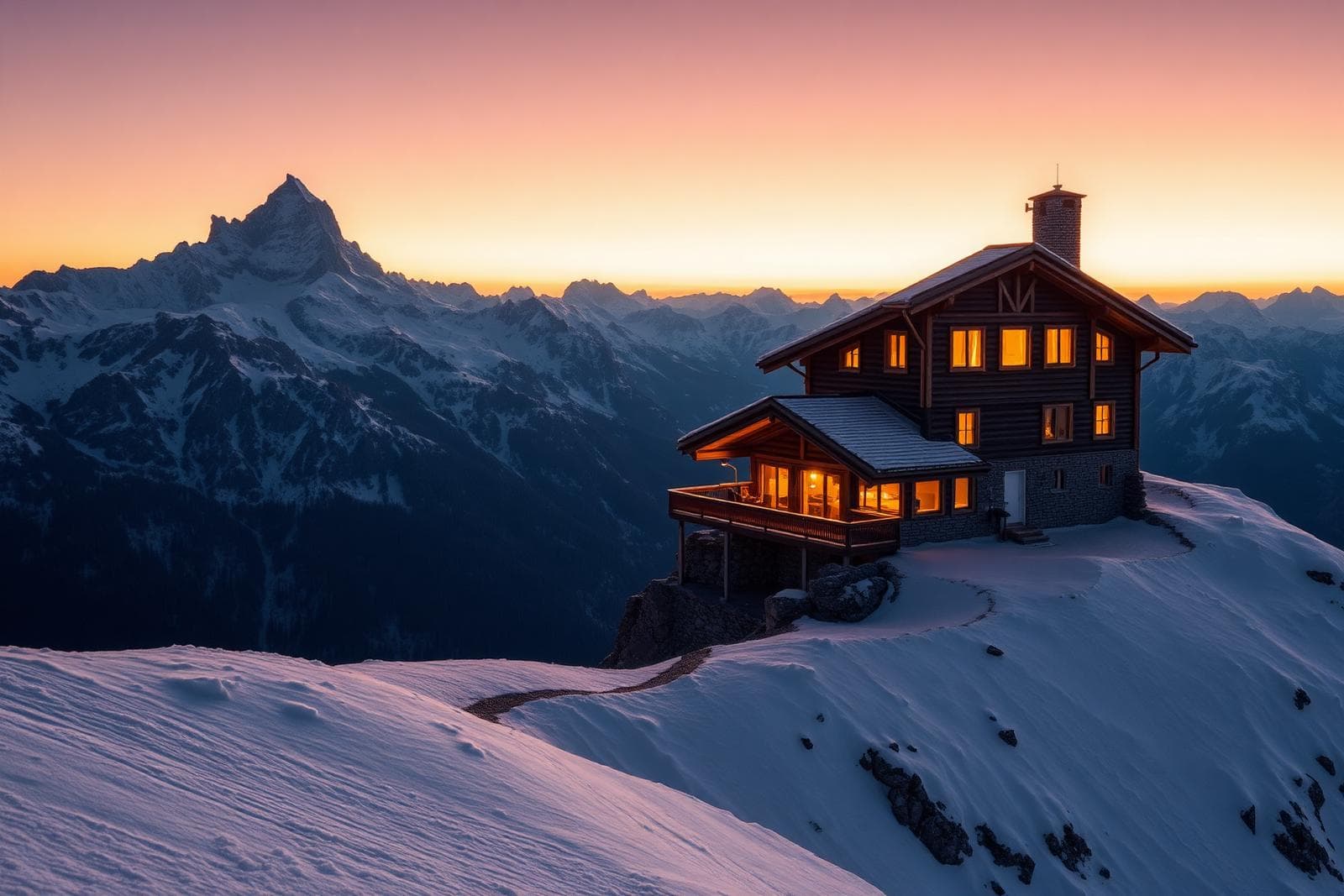
The Albert 1er hut stands at 2,702 m above the glacier du Tour. It belongs to the Club alpin français de Chamonix, it is run by the FFCAM, Paul Laborde is the warden, and it has 140 beds when staffed against 30 in the winter room for the rest of the year. Its own page on the FFCAM site shows 2,707 m, where Wikidata, Wikipedia and the Compagnie des guides all three give 2,702 m: this page keeps that second figure. Two staffed periods in 2026: 14 March to 3 May, covering ski touring, then 23 May to 13 September for the mountaineering season. The rate grid, valid from 1 December 2025 to 31 December 2026, sets the overnight stay at €36.00 for a non-member adult and €18.00 for an FFCAM member, exactly half. Those aged 8 to 18 and mountain professionals pay €25.20 at the public rate, a member aged 8 to 24 pays €9.00, under-8s and school groups €5.00, and an unstaffed night €10.00. A heating charge of €3.00 per person applies in March and April. Meals are absent from that grid: half board is paid separately. The hut is named after Albert I of Belgium, who inaugurated the first building on 30 August 1930, days after its construction from 16 to 24 August; the king died on 17 February 1934. The present stone building was inaugurated on 12 July 1959 and gained an extra floor during the 2012 to 2014 works.
Grade, elevation gain and duration of the climb
The normal route is graded F and goes through the col supérieur du Tour. The Compagnie des guides de Chamonix rates it technical level 2 out of 5 and physical level 3 out of 5, over two days: 600 m of ascent to the hut on day one, then 840 m of ascent and 1,440 m of descent on summit day. That second day calls for up to 7 hours of activity at altitude. The party leaves before daylight, crampons on from the glacier du Tour, and the summit is reached by a few easy rock sections; the descent follows the same line all the way down to the valley, which accounts for the 1,440 m of loss. Charles Gilbert Heathcote and Moritz Andermatten reached the south summit on 17 August 1864 via the col supérieur du Tour, the line the normal route still follows.
The techniques the climb drills before the Mont Blanc normal route
Four actions from the Mont Blanc normal route repeat identically on the Aiguille du Tour: walking in crampons on a glacier, roped progress on crevassed terrain, moving over easy rock with crampons on, and linking a night in a staffed hut with a night-time departure. What the route does not reproduce matters just as much. It tops out below the altitude of the Goûter hut, 3,835 m, so it says nothing about real tolerance to Mont Blanc altitude. It has no equivalent of the Grand Couloir du Goûter and its rockfall risk. And its summit day is shorter than a Mont Blanc ascent day. A successful outing on the Aiguille du Tour therefore validates basic technique and hut acclimatisation, not fitness for 4,800 m.
The glacier du Tour is not benign ground
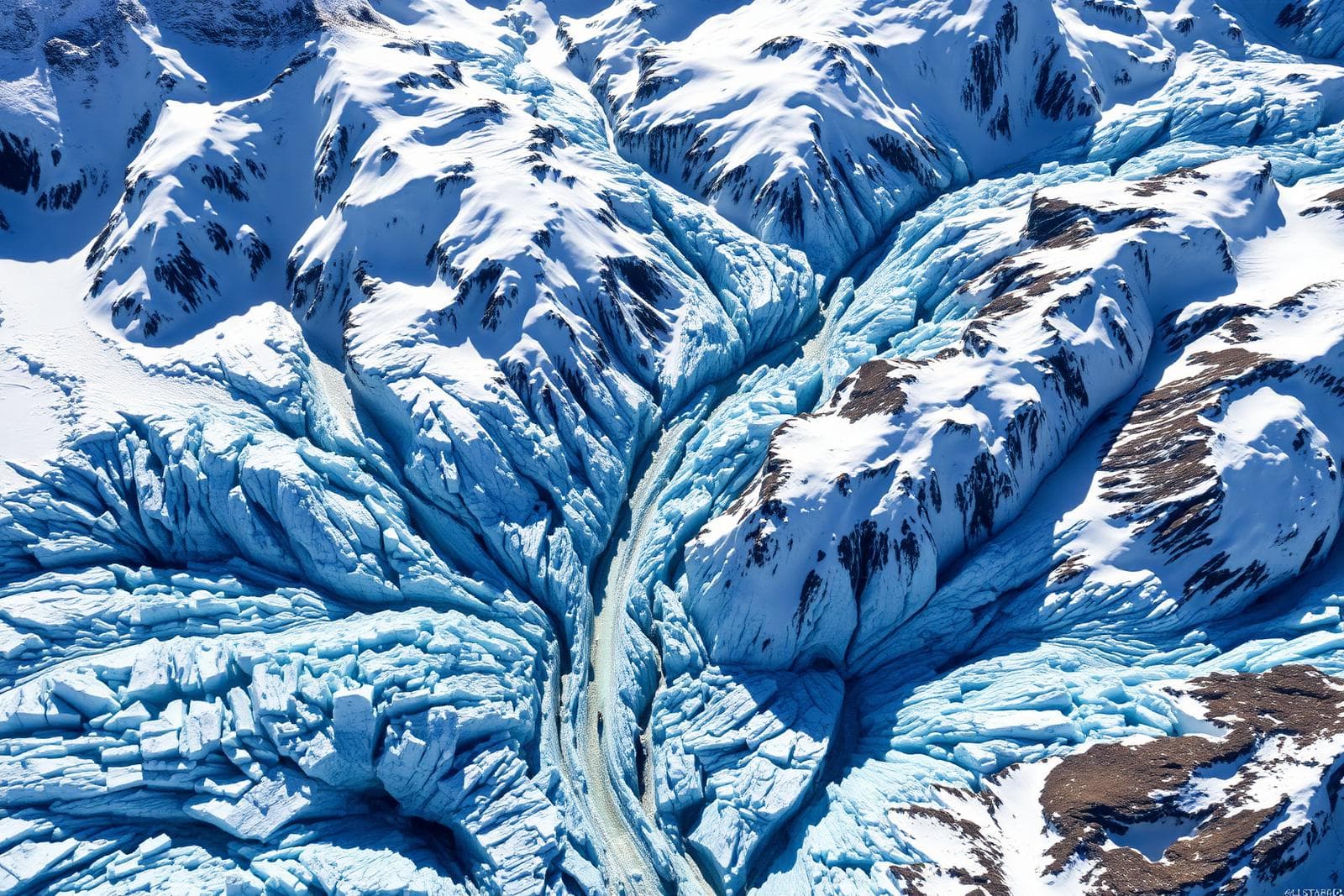
On 14 August 1949 at 16:15, a serac collapse sent 2 to 3 million cubic metres of ice into the Tour basin and killed six hikers beneath the hanging glacier. Research attributed the failure to exceptional temperature swings in the preceding days, with repeated freeze and thaw cycles. The glacier du Tour now measures 5.3 km long over 8 km², flows at 240 m per year and its snout sits around 2,150 m, whereas the ice reached down near the hamlet of Le Tour, around 1,500 m, during the Little Ice Age. A route graded F is still a glacier route: the weather window, the departure time and the roping-up are handled with the same seriousness as on the Goûter route.
Technical data sheet for the Aiguille du Tour by the normal route
Every value carries its source.
| Data | Value | Source |
|---|---|---|
| Summit altitude | 3,542 m | Compagnie des guides de Chamonix |
| Massif | Mont Blanc massif, French and Swiss border, between the Tour and Trient glaciers | Wikidata Q404720, Wikipedia |
| Grade | F, via the col supérieur du Tour | Wikipedia |
| Level | Technical 2 out of 5, physical 3 out of 5 | Compagnie des guides de Chamonix |
| Starting point | Le Tour (1,470 m), Charamillon gondola (1,490 m to 1,855 m) | Wikipedia |
| Hut | Albert 1er, 2,702 m, 140 beds when staffed | Wikidata Q795102, FFCAM |
| Day 1 elevation gain | 600 m of ascent to the hut | Compagnie des guides de Chamonix |
| Day 2 elevation change | 840 m of ascent, 1,440 m of descent | Compagnie des guides de Chamonix |
| Duration | 2 days, up to 7 hours of activity on summit day | Compagnie des guides de Chamonix |
| Minimum guided age | 16 when accompanied by an adult | Compagnie des guides de Chamonix |
| Group size | 3 to 4 participants per guide | Compagnie des guides de Chamonix |
| First ascent | 17 August 1864, Charles Gilbert Heathcote and Moritz Andermatten | Wikipedia |
Lift times and prices taken from the Balme area page of the Compagnie du Mont-Blanc.
Sources and resources
Read next
FAQ
What is the altitude of the Aiguille du Tour?
3,542 m according to the Compagnie des guides de Chamonix, 3,540 m on Wikidata and 3,544 m on Wikipedia for the south summit. The peak has two summits, the north at 3,529 m and the higher south one, which the normal route reaches.
Is the Aiguille du Tour a good first mountaineering route?
The Compagnie des guides de Chamonix presents it as one of the Mont Blanc massif summits best suited to a first route and requires no prior mountaineering or climbing experience. It does ask for regular endurance training and sure footing on mountain paths.
How much does a night at the Albert 1er hut cost?
€36.00 for a non-member adult and €18.00 for an FFCAM member, on the grid valid from 1 December 2025 to 31 December 2026. An unstaffed night costs €10.00 and meals are paid separately.
How do you reach the Albert 1er hut from Le Tour?
By the Charamillon gondola then the Autannes chairlift, and a moraine traverse from the top of the lifts. On foot with the lifts closed, allow about 1,300 m of ascent and three to four hours.
What is the grade of the Aiguille du Tour by the normal route?
F, via the col supérieur du Tour. The Compagnie des guides de Chamonix rates it technical level 2 out of 5 and physical level 3 out of 5.
How much elevation gain and time does the Aiguille du Tour take?
600 m of ascent on day one to the hut, then 840 m of ascent and 1,440 m of descent on summit day. That second day calls for up to 7 hours of activity at altitude.
When is the Albert 1er hut open?
Two staffed periods in 2026: 14 March to 3 May for ski touring, then 23 May to 13 September for mountaineering. Outside those dates a 30-bed winter room stays accessible.
From what age can you climb the Aiguille du Tour with a guide?
16, provided you are accompanied by an adult, on the Compagnie des guides de Chamonix formula. The same company requires 18 on its Mont Blanc formulas.
Key takeaways
- ·Two days and grade F: the route reproduces the mechanics of the Goûter route without its exposure.
- ·FFCAM membership halves the Albert 1er overnight rate.
- ·The summer lift grid for Le Tour was not published at the last update of this page.
- ·The 1949 serac collapse killed six people on this glacier: grade F waives neither the weather window nor roping up.
- ·Mont Blanc stays nearly 1,300 m higher, with the Grand Couloir du Goûter on top.