Gear for the Tour du Mont Blanc: the complete packing list
Written by Victor Michel — history enthusiast and passionate alpinist based in Chamonix. Published August 7, 2026
The Tour du Mont Blanc requires no mountaineering gear: no crampons, no ice axe, no rope. It's classic multi-day hiking gear, built for walking 6 to 8 hours a day over 7 to 11 consecutive days and sleeping in a refuge every night — the difference comes down to gear durability and refuge comfort, not technicality.
Key takeaways
- No technical mountaineering gear required: no crampons, ice axe, rope, or helmet
- Already broken-in hiking boots with ankle support — never wear brand-new boots on departure day
- A 30 to 45 L backpack depending on the formula (luggage transferred or not), not a mountaineering pack
- A silk liner (or sleeping bag liner) required in nearly all refuges across the massif
What NOT to bring
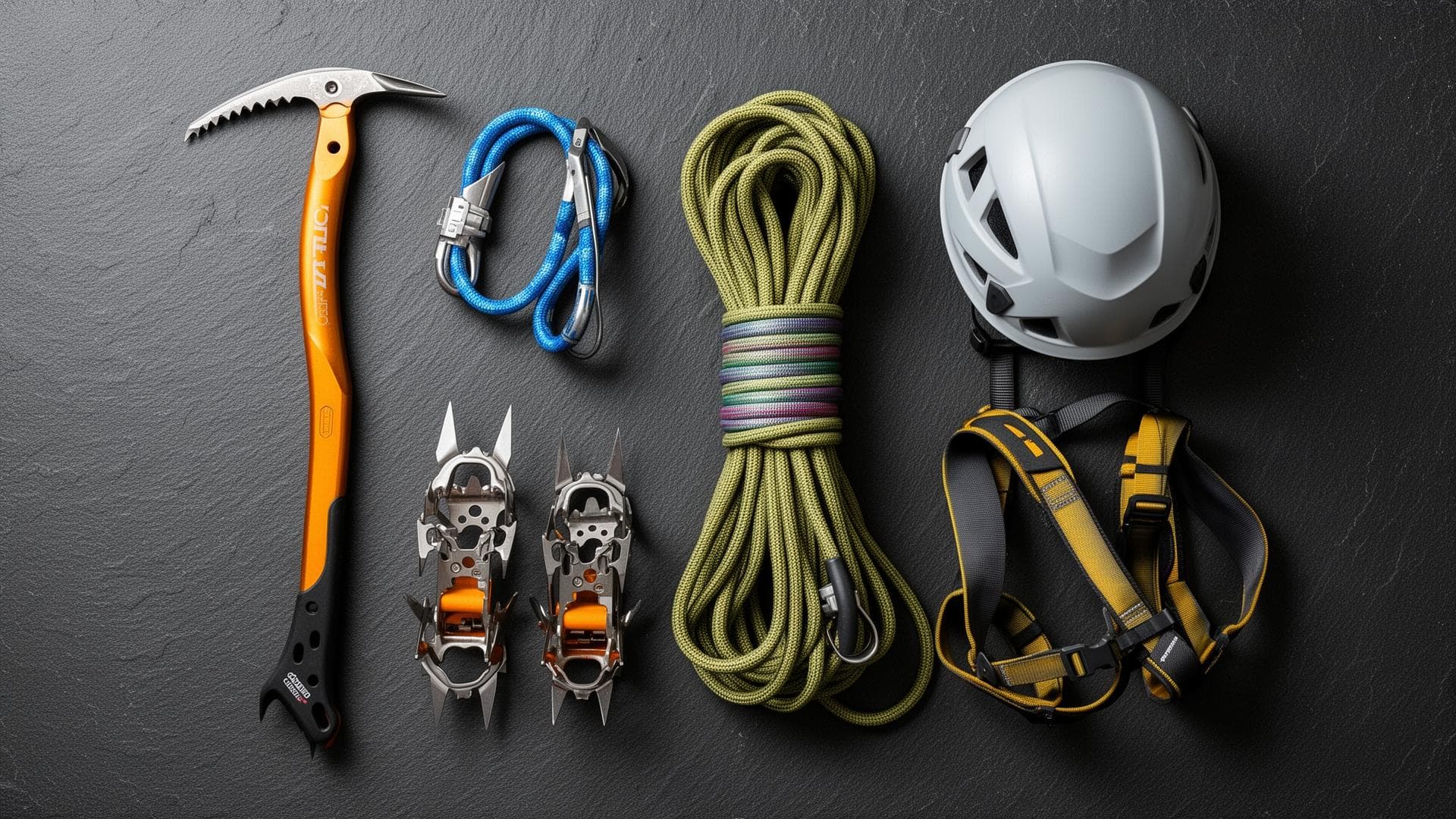
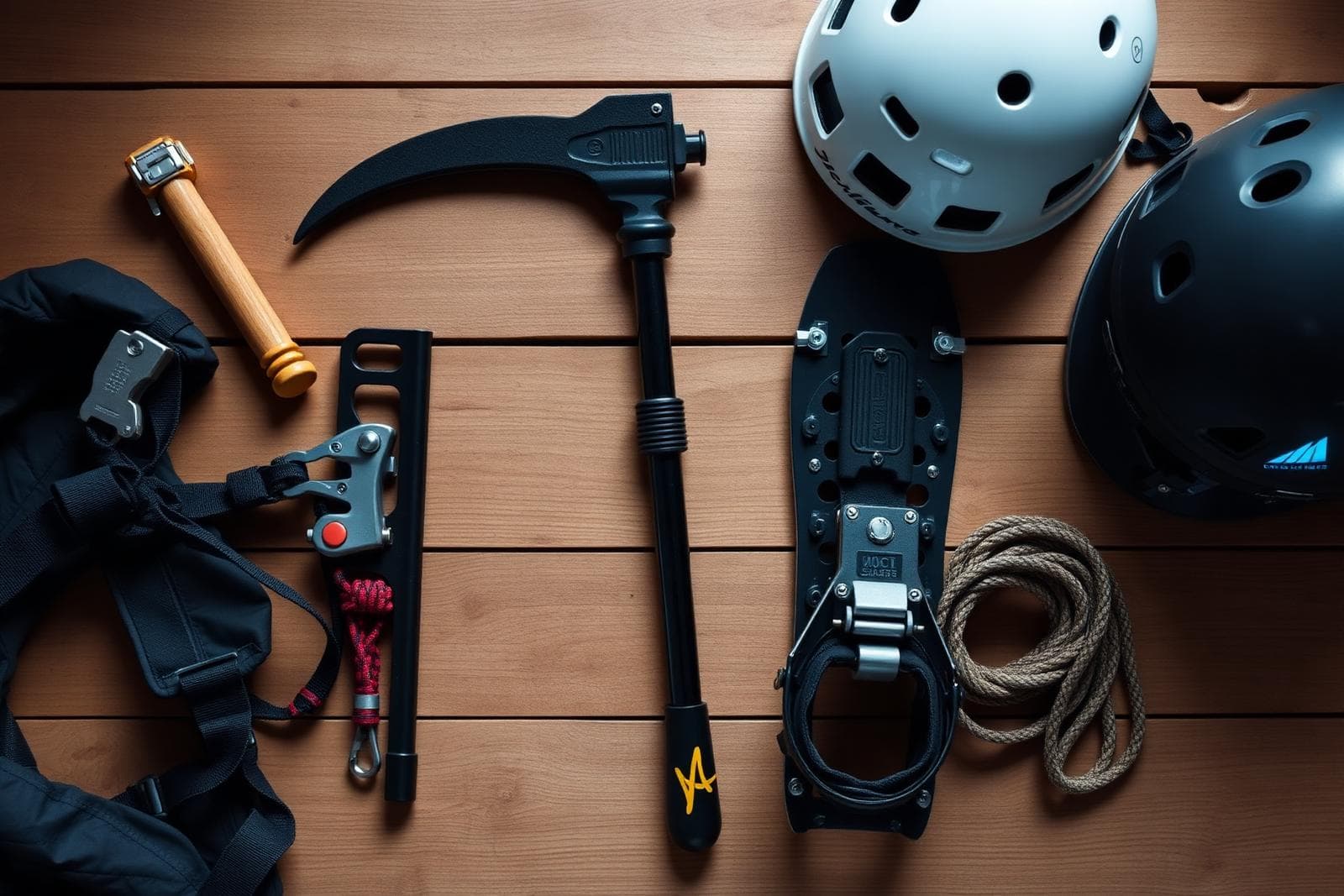
Unlike the summit ascent or races such as the 90 km Mont Blanc Marathon, the TMB never crosses a glacier or a corridor exposed to rockfall: crampons, ice axe, helmet and roping equipment are useless and only add unnecessary weight. The one real exception: early season (mid-June) or late season (early September), some high passes (Col de la Seigne, Grand Col Ferret) can hold late or early snow — in that case, trekking poles and solid boots are usually enough, but checking with the refuges along the route before leaving remains essential.
Boots and backpack: the two choices that actually matter
Hiking boots with ankle support and a semi-rigid sole, broken in before departure without fail — never a brand-new pair on a multi-day trek with 10,000 m of combined elevation gain. For the backpack, the choice depends on the formula: 20 to 30 L is enough if luggage is transferred from stage to stage (guided formula with transfer included, or a paid option), versus 35 to 45 L if everything must be carried in full self-sufficiency. A hiking backpack with a hip belt and an adjustable carrying system radically changes comfort on 20 to 28 km stages.
0
technical mountaineering gear needed (crampons, ice axe, rope)
Official TMB route
20-45 L
backpack volume depending on whether luggage is transferred or not
TMB trekking agencies
10,000 m
total combined elevation gain on the tour, the #1 reason for already broken-in boots
Wikipedia — Tour du Mont Blanc GR trail
Clothing: the layering system, suited to changeable alpine weather
The TMB crosses varied altitudes (from 1,000 to over 2,500 m at the passes) over several days, with weather that can turn in a matter of hours. The layering system remains the standard: a breathable technical base layer, an insulating layer (fleece or a light down jacket for evenings in high-altitude refuges), a waterproof, windproof jacket and overtrousers for the frequent mountain squalls. For this last layer, French brands such as Cimalp offer technical membranes dedicated to multi-day hiking — see our dedicated gear page for the details of independent tests.
Base packing list
- Hiking boots with ankle support, broken in, semi-rigid sole
- 20-30 L backpack (luggage transferred) or 35-45 L (full self-sufficiency), with a hip belt
- Telescopic trekking poles — very useful over 10,000 m of combined elevation gain
- Waterproof jacket with hood + waterproof overtrousers
- Insulating layer (fleece or light down jacket) for evenings in the refuge
- 2 to 3 breathable technical t-shirts, worn in rotation
- Light gaiters in case of residual snow early or late in the season
- Hat or cap, category 3 sunglasses, sunscreen
- Light first-aid kit (blister care, anti-inflammatory, dressings)
- Light headlamp (refuges often cut electricity in the evening)
- 1.5 to 2 L water bottle or hydration bladder, filter or purification tablets as backup
Refuge-specific
- Silk liner or sleeping bag liner: required in nearly all refuges across the massif, for the hygiene of shared dorm bunks
- Earplugs — shared dorms, guaranteed snoring
- Sandals or light shoes to move around the refuge in the evening
- Cash in small denominations — some high-altitude refuges don't have a card terminal
Not needed on the TMB (unlike the summit ascent)
- Crampons and ice axe
- Rope and roping equipment
- Mountaineering helmet
- Harness and leash
Sources and resources
Read next
- → Tour du Mont Blanc (TMB): route, stages, refuges and best season
- → Gear for the Mont Blanc summit ascent (technical mountaineering)
- → Tour du Mont Blanc: guided or self-guided?
- → Luggage transport on the Tour du Mont Blanc: how it works
- → Too long? 3 easy hikes with views of Mont Blanc
- → Refuges of the Mont Blanc massif
FAQ
Do you need crampons for the Tour du Mont Blanc?
No, except in the exceptional case of late or early snow on the high passes (Col de la Seigne, Grand Col Ferret) right at the very start or end of the season. The TMB never crosses a glacier: it's a hiking route, not mountaineering.
What backpack for the Tour du Mont Blanc?
20 to 30 L is enough if luggage is transferred from stage to stage (guided formula or transfer option). Plan for 35 to 45 L if everything is carried in full self-sufficiency, with a hip belt and adjustable carrying system essential on 20 to 28 km stages.
Is a silk liner mandatory in the refuges of the Tour du Mont Blanc?
Yes, in nearly all refuges across the massif, for the hygiene of shared dorm bunks. A sleeping bag liner or light silk liner is part of the basic gear to bring, unlike the sheets provided in a hotel.
What boots for walking the Tour du Mont Blanc?
Hiking boots with ankle support and a semi-rigid sole, broken in before departure without fail. Never set off with a brand-new pair on a multi-day trek totaling 10,000 m of elevation gain.
Do you need a helmet or a rope for the Tour du Mont Blanc?
No. Unlike the summit ascent via the Goûter or Trois Monts route, the TMB never crosses a glacier or a corridor exposed to rockfall: no roping equipment is needed.